By Kikomeko Pius
Between 15th and 23rd December 2025, a multi-disciplinary team of engineering students from the Makerere University School of Engineering, in collaboration with Engineers Without Borders East Africa (EWB-EA), conducted a transformative field assessment at Entebbe Regional Referral Hospital (ERRH). The mission aimed to evaluate the facility’s critical infrastructure across the civil, energy, public health, and biomedical sectors to develop sustainable, investment-ready models. This collaboration sought to bridge operational gaps with technical solutions that are both scalable and sustainable within the hospital’s administrative and budgetary context.
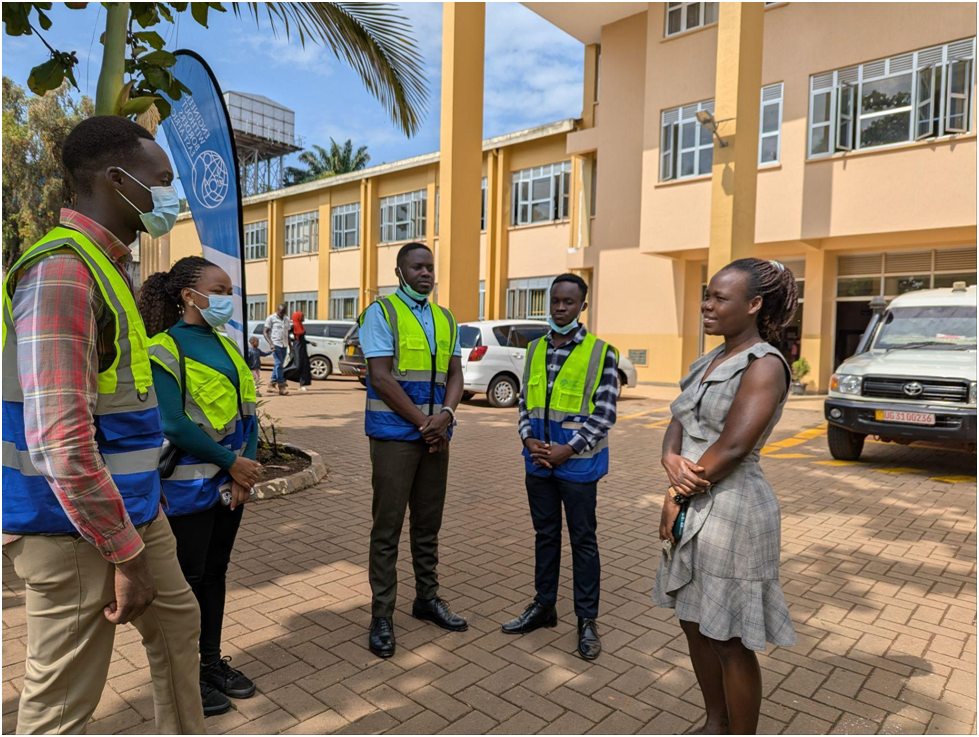
Entebbe Regional Referral Hospital serves a massive catchment population estimated at around 4.3 million people. Despite its vital role, the 256-bed facility operates under significant infrastructure stress, characterized by a “quality vs. reliability” paradox. While the hospital provides specialized services, the reliability of its core utilities is frequently compromised, impacting everything from emergency theatre operations and deliveries to routine laboratory sample testing.
A primary challenge identified is a severe water-energy nexus crisis. The electrical failure of all water pumps has forced a reliance on gravity feed, driving water utility bills to unsustainable levels. Frequent voltage fluctuations and severe industrial-grade power surges have caused catastrophic damage to sensitive medical electronics, including control boards for the CT scan and fixed X-ray machines. Furthermore, a major portion of the hospital’s solar infrastructure is currently dormant or non-functional, with burnt inverters and expired batteries leaving critical wards like Maternity, Labour, and the ICU vulnerable during grid outages.
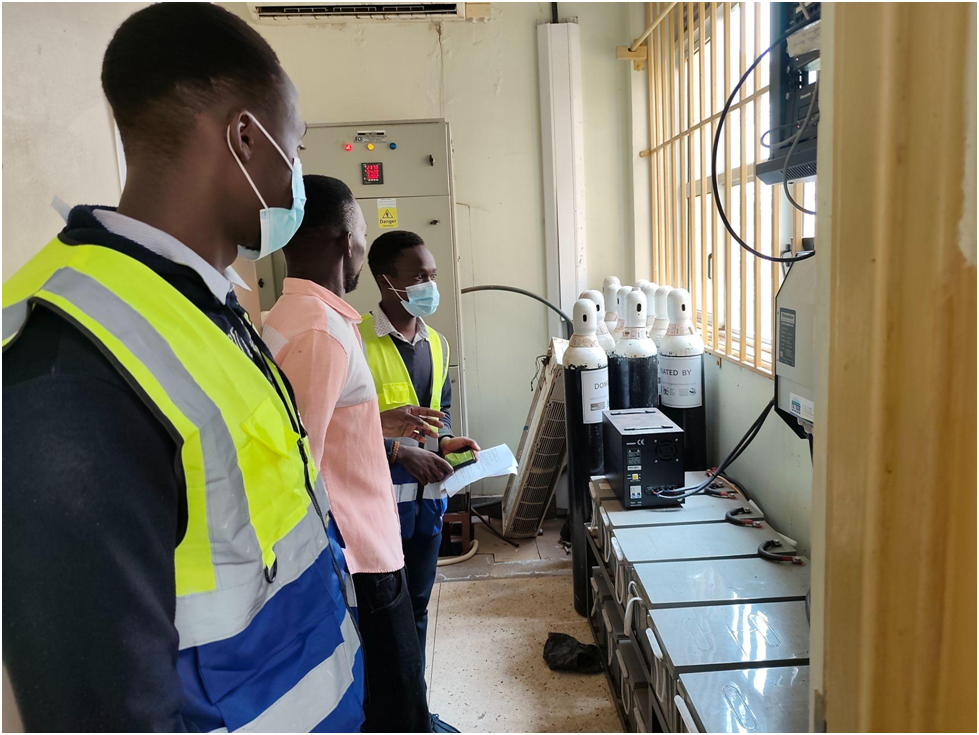
The biomedical and public health assessment revealed that while approximately 70% of the equipment inventory is functional, critical sterilization and diagnostic assets remain offline due to spare part scarcity and power instability. Sanitation infrastructure is also under significant pressure, with many departments sharing inadequate facilities and the on-site incinerator remaining non-functional due to high operational and maintenance costs.
To address these issues and to ensure a resilient future, the team proposed a few solutions such as installing solar-powered water pumping systems to drastically reduce the hospital’s immense annual water utility burden. They also recommend installing industrial-grade surge protection devices for critical lines and refreshing battery banks for essential safety systems in the Maternity and Theater wards. More comprehensive solutions and models are to be drawn up and presented in a detailed report that will be compiled by the students and shared with the hospital.
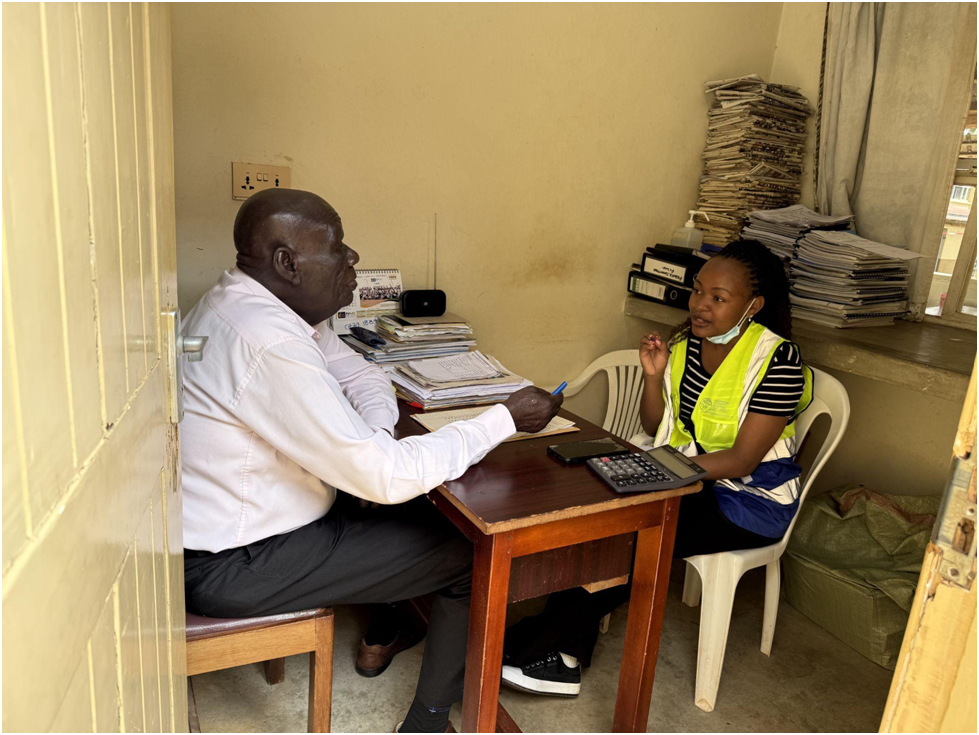
Finally, the School of Engineering extends its heartfelt gratitude to Dr. John Bosco Nsubuga, the Executive Director, and Ms. Betty Nangendo, the Head of Engineering, for opening the doors of ERRH and graciously hosting our student team. We also sincerely thank Engineers Without Borders East Africa for organizing this impactful project, which exemplifies our mission “To educate and graduate engineers who are well founded in engineering fundamentals, blended with the highest standards of professional and ethical behaviour and are prepared to meet the market technical challenges and needs of society” by applying engineering expertise to solve real-world community challenges.
Posted by Isemaghendera Alex, IT Officer, CEDAT