By Kikomeko Pius
From December 15th to 19th, a multidisciplinary team of engineering students from the Makerere University School of Engineering, in partnership with Engineers Without Borders East Africa (EWB-EA), embarked on a comprehensive technical engineering assessment of Apac Hospital. This collaborative visit, as part of EWB-EA’s WALLACE project, aimed to survey critical infrastructure and operational systems to identify existing gaps and develop sustainable solutions. By gathering on-site data, the team intends to design investment-ready models that address hospital shortcomings while remaining manageable within the facility’s available resources.
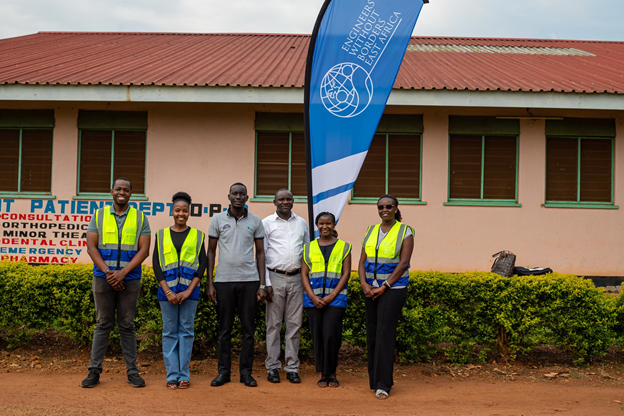
The team was warmly welcomed by the hospital’s Assistant Secretary, Mr. Okello Jacob, who provided vital context regarding the facility’s regional importance. As the only general hospital in the Lango sub-region, Apac Hospital handles an exceptionally high patient volume, serving communities from across multiple surrounding districts. This high demand places significant pressure on the hospital’s infrastructure, making the engineering assessment both timely and essential.
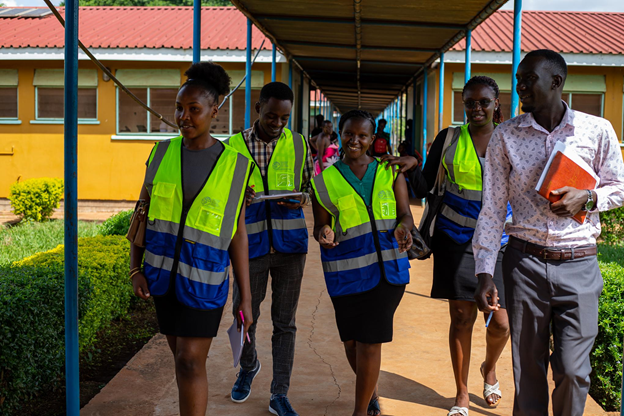
Mr. Okollo Jacob (right) giving the team a tour of the different hospital blocks.
During the initial briefing, Mr. Okello highlighted the hospital’s unique assets, such as its two motorized boreholes, one solar-powered and one electric. However, he also detailed several systemic challenges, including unreliable electricity that frequently disrupts operations, leaving only the laboratory with a reliable solar backup. Additionally, the hospital struggles with staffing shortages in certain units and aging infrastructure that lacks the necessary resources for renovation.
The week-long assessment began with a formal introduction to every department, where the Makerere and EWB-EA team was met with enthusiasm from department heads. These leaders expressed a strong willingness to collaborate, providing the necessary access and information required for a thorough evaluation. This spirit of cooperation was vital for the team to gain a transparent understanding of the daily operational hurdles faced by the medical staff.
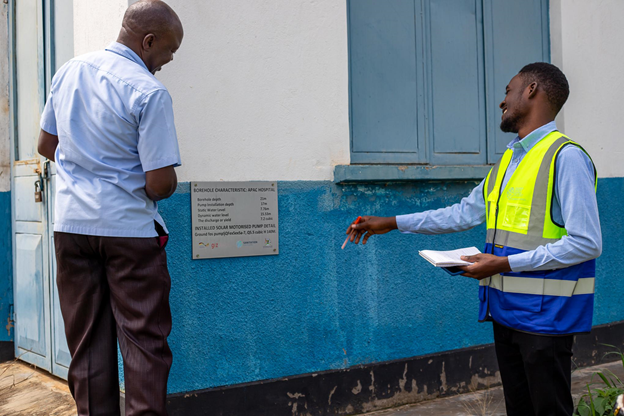
Throughout the week, the engineering students conducted extensive technical reviews of various departments, including the x-ray unit, the mental health unit, the laboratory, and the operating theater. The assessment was not limited to medical equipment, it also encompassed a deep dive into the hospital’s broader utility systems. Specific focus was placed on drainage, waste management protocols, and the integrity of the electrical wiring across the entire hospital.
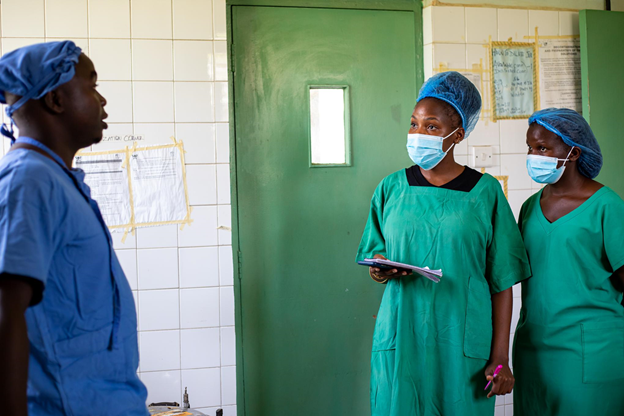
By the end of the mission, the team had collected a wealth of data regarding the pain points of each department. This information serves as the foundation for the next phase of the project, developing technical interventions that are both innovative and sustainable. The goal is to ensure that any proposed engineering upgrades can be maintained by the hospital staff long-term, ensuring a lasting impact on healthcare delivery in the Lango sub-region.
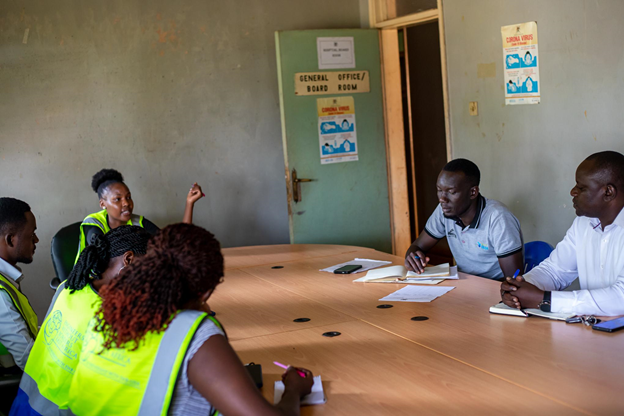
The visit concluded with an exit meeting involving the hospital administration to discuss preliminary findings and potential paths forward. The discussion touched upon existing operations that could be optimized and highlighted new opportunities for improvement across different engineering disciplines. This initiative marks a significant step in Makerere University School of Engineering’s commitment to applying academic expertise to solve real-world community challenges.
Uploaded by Isemaghendera Alex,
IT Officer, College of Engineering, Design, Art and Technology.