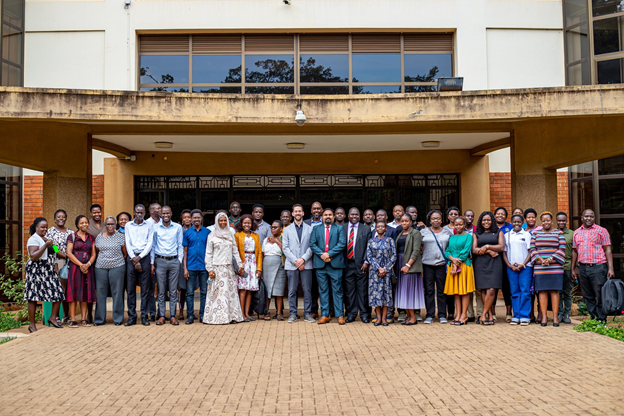
On 5th February 2026, the Institute of Electrical and Electronics Engineers (IEEE) conducted a comprehensive half-day Publishing Training session at the Makerere University Main Library. Facilitated by IEEE representatives Mr. Kris Zakrzewski and Mr. Aggrey Sang, the event specifically targeted university librarians from across Uganda, as well as electrical engineering faculty and students. The workshop served as a critical touchpoint for the academic community, offering direct insights into the global standards of technical publishing and research dissemination.
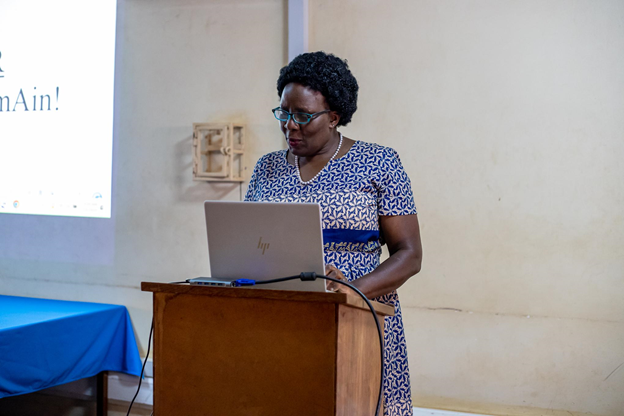
The session was officially inaugurated by Dr. Ruth Nalumaga, the Makerere University Librarian, who emphasized the library’s pivotal role in the academic journey of PhD students. Dr. Nalumaga highlighted that the university library acts as an essential guide, helping researchers navigate the complex publishing landscape. By advising against bad publishers and providing strategies for impactful publishing, the library ensures that students can produce high-quality journals that contribute meaningfully to their fields. Following these remarks, Ms. Caroline Kobusingye provided a practical demonstration on navigating Makerere’s online resources and various research databases.
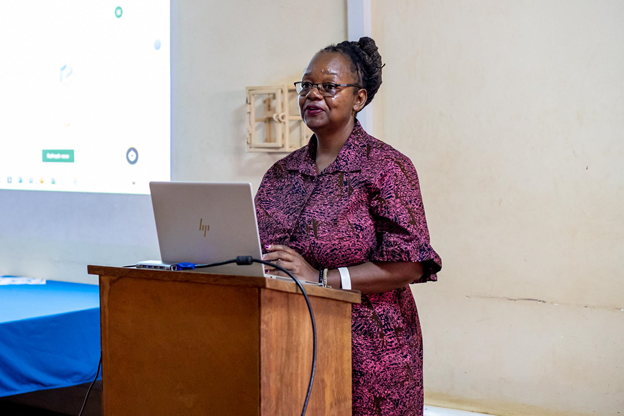
Adding a personal perspective to the training, Prof. Dorothy Okello, Dean of the Makerere University School of Engineering and IEEE Uganda Ambassador, shared her long-standing history with the organization. She recounted how, as a student, she prioritized her limited resources to maintain an IEEE subscription, recognizing early on the immense value of accessing such a reputable system. Prof. Okello thanked the IEEE team for including Makerere University in their East African tour and encouraged students to join the organization to take advantage of unique opportunities, such as fully funded projects.
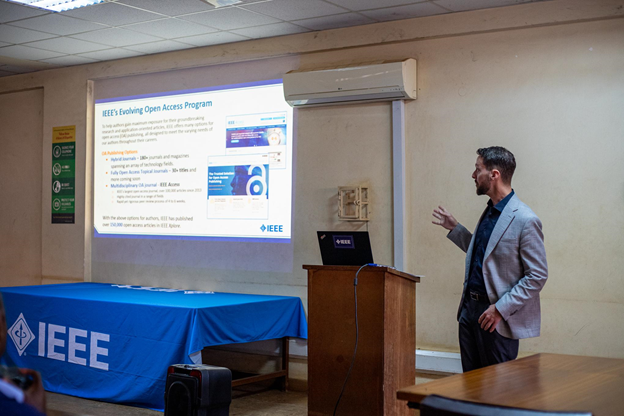
The technical depth of the training was led by Mr. Kris Zakrzewski, who introduced IEEE as a leading authority in diverse fields ranging from aerospace and artificial intelligence to biomedical engineering and electric power. He detailed the vast resources available within the IEEE Xplore Digital Library, which now houses over 7 million documents. Notably, Mr. Zakrzewski highlighted a premiere collection of 8,000 ebooks featuring a specialized curriculum map designed to help students identify the most relevant texts for their specific courses or research projects. He also discussed the various Open Access publishing options IEEE provides to accommodate the evolving needs of authors throughout their careers.
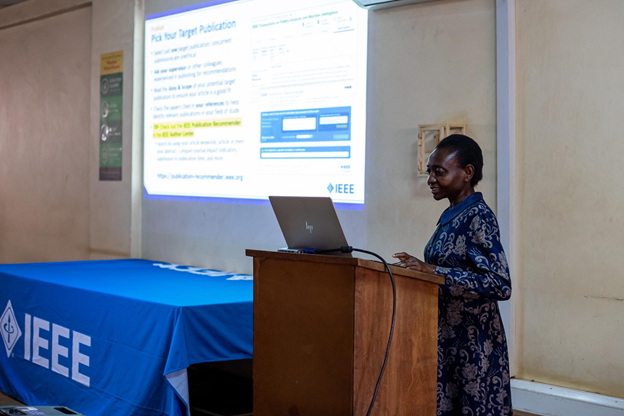
Dr. Sheila Mugala, from the Makerere University School of Engineering, delivered an essential presentation on the mechanics of manuscript preparation. She offered strategic advice on selecting the right publication based on reputation, journal quality, and peer-review standards, suggesting that researchers consult with supervisors to identify top-tier publishers. While noting that acceptance rates for prestigious journals are often low, Dr. Mugala framed this as a motivation for researchers to elevate their work to higher standards.
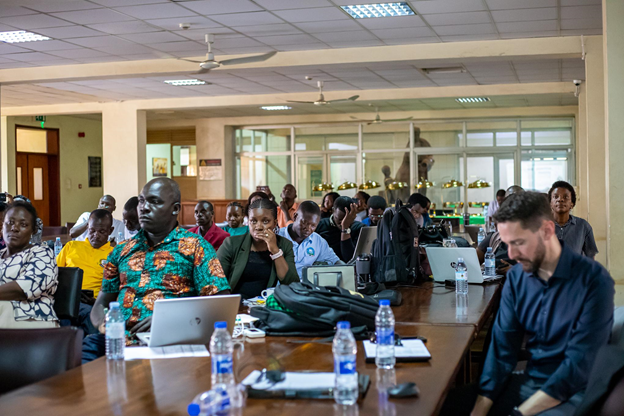
The training also covered the structural and ethical requirements of high-quality research. Dr. Mugala outlined the standard technological format for research papers comprising the Abstract, Introduction, Literature Review, Methodology, Results, and Conclusion while explaining common reasons why editors and reviewers might reject a submission. She emphasized the critical importance of ethics in publishing, offering guidance on avoiding plagiarism and effectively responding to peer reviewer feedback to improve a manuscript’s chances of success.
Concluding the event, Mr. Andrew Mwesigwa spoke on the nuances of Open Access publishing, detailing various models such as Gold, Green, Diamond/Platinum, and Hybrid Open Access. His presentation provided a vital cautionary segment on red flags in the industry, distinguishing between low-quality, predatory, and hijacked (cloned) journals. By teaching smart evaluation practices, the session equipped Ugandan researchers and librarians with the tools necessary to protect their intellectual work and maintain the integrity of their academic contributions.
This collaboration underscores a commitment to fostering a new generation of researchers capable of navigating the complex global publishing landscape with confidence and ethical standards.