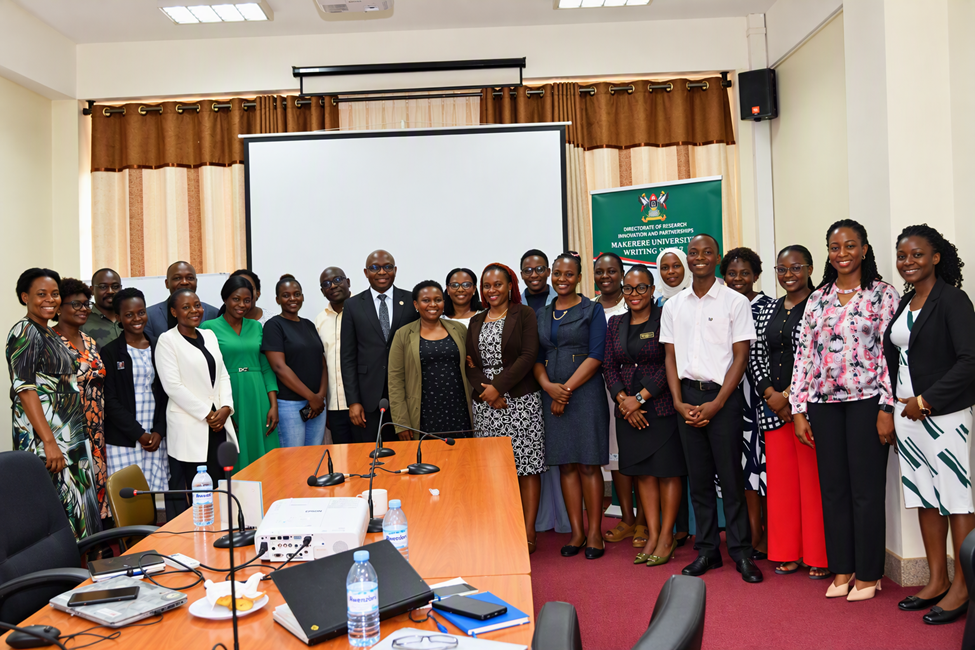
Administrators and Secretaries from the College of Engineering, Design, Art and Technology (CEDAT) have completed a two-day capacity-building training organized by the Makerere University Writing Centre (MakWC) from 27th to 28th October 2026.
The training focused on minute writing, records management, communication, the legal aspects of administration, and the use of digital and Artificial Intelligence (AI) tools in office work. Participants described the training as timely and relevant to addressing long-standing professional development needs among administrative staff.
Participants Applaud Timely Capacity-Building Initiative
Speaking on behalf of the participants, Ms. Hamba Loyce expressed appreciation to the College leadership and the Makerere University Writing Centre for organizing the training, noting that it had come at an opportune time.
“This training has been long overdue. In the past, administrative staff regularly received guidance on minute writing and records management, but such opportunities gradually diminished despite the growing need for continuous professional development,” she said.
Ms. Loyce observed that many secretaries are not routinely assigned minute-writing responsibilities, limiting opportunities to develop and refine critical administrative skills.
Prof. Kizito Calls for More Training Opportunities
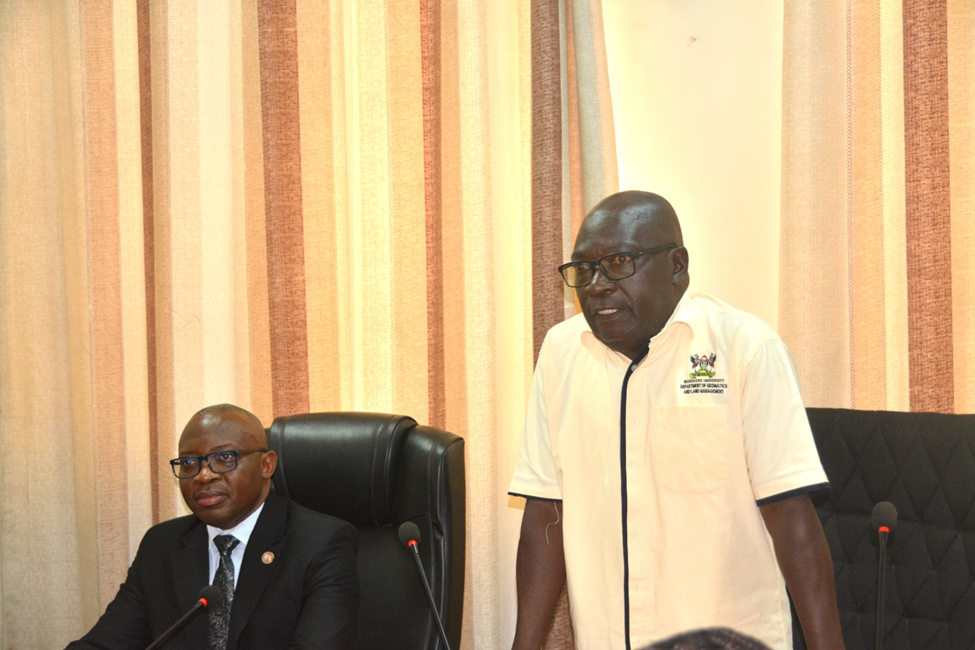
Closing the training, the CEDAT Deputy Principal, Prof. Kizito Maria Kasule, commended the Makerere University Writing Centre for responding to the long-standing training needs of administrative staff and called for more initiatives aimed at strengthening the capacity of secretaries and administrators across the University. Prof. Kasule noted that although the Writing Centre was initially established to promote academic writing, the need to support administrative staff became increasingly evident and was subsequently discussed at various levels of the University.
“I am happy that, after all the discussions, this training has finally been realized at CEDAT,” he said. He thanked the College leadership and management for supporting the initiative and recognizing the importance of professional development for administrative staff.
Minute Writing is Critical to Institutional Memory
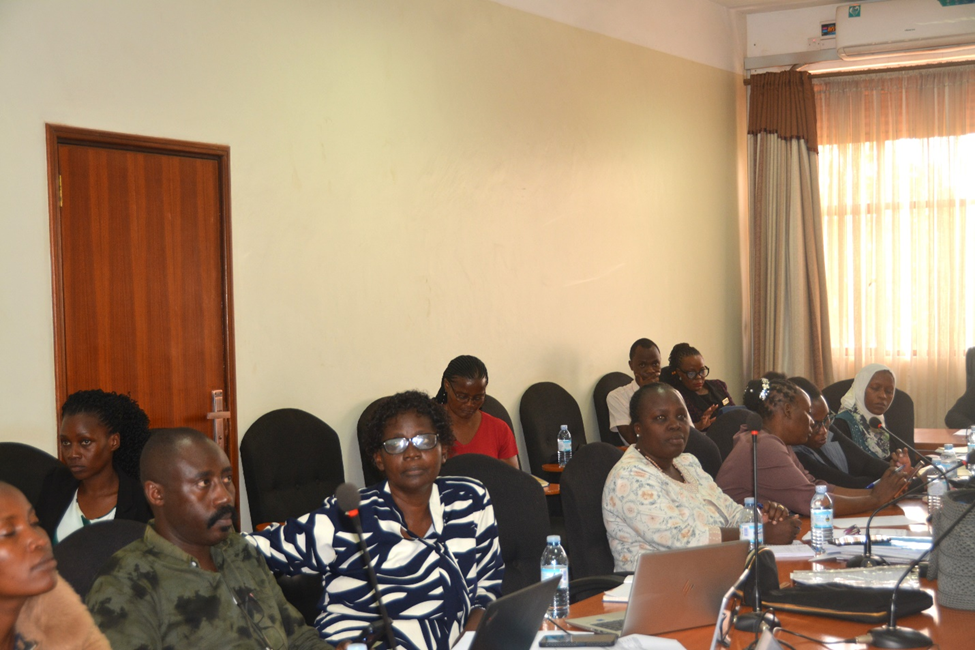
that while academics generate ideas, knowledge, and decisions, institutional memory depends largely on how accurately those deliberations are documented.
“As academicians, we can do our work, but if matters are not captured properly, our fallback position is always the minutes. A judge can make a decision based on what was written. Even after all of us have gone, the records remain. That is why the people in this room are extremely important,” he said.
He added that the skills acquired through the training would remain valuable regardless of where members of staff are deployed within the University, noting that competent administrative professionals are an asset to any institution.
Addressing Skills Gaps among Administrative Staff
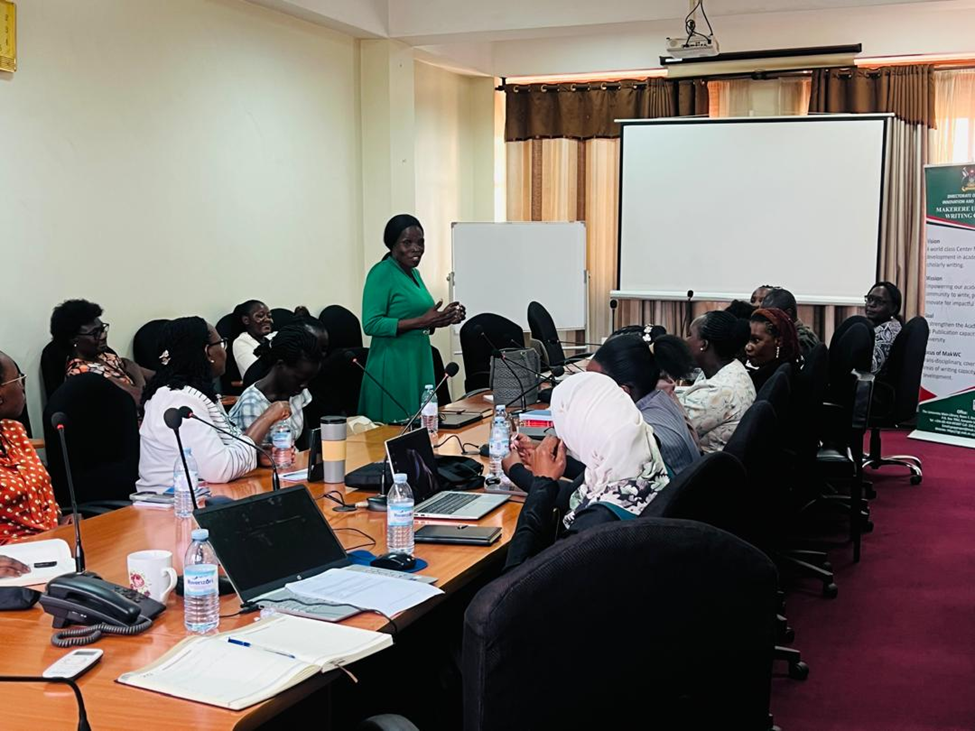
Describing the training as long overdue, Prof. Kasule highlighted the challenges many supervisors face when working with staff who lack essential administrative competencies. “We are recruiting people with degrees and diplomas, but sometimes the output does not match the qualifications. Some cannot file documents properly or write effective minutes. Training such as this is therefore very important,” he said.
He also called for future training programmes to incorporate customer care, noting that administrators and secretaries are often the first point of contact for students, visitors, and other stakeholders. “The way administrative staff handle clients is important because they represent the image of the institution,” he noted.
Investing in Staff Development and Orientation
Prof. Kasule observed that staff development initiatives in universities often focus on academic personnel while overlooking administrators and support staff, despite their critical contribution to institutional effectiveness. He urged the University to prioritize continuous professional development for all categories of employees.
In addition, he recommended strengthening orientation programmes for newly recruited staff to help them adjust to the University’s work environment and expectations.
“Many people join the University with little or no work experience. We have a duty and responsibility to nurture them because learning is a continuous process,” he said.
Embracing Artificial Intelligence in Administrative Work
Speaking on behalf of Prof. Frederick Muyodi, Chairperson of the Makerere University Writing Centre, Prof. Ronald Bisaso reiterated the importance of the training in equipping staff with the knowledge and skills needed to become more effective professionals. He encouraged participants to put into practice the skills acquired during the workshop.
Prof. Bisaso also emphasized the growing role of technology in the workplace and urged participants to embrace lifelong learning, particularly in emerging technologies such as Artificial Intelligence.
“Be eager to learn because things are changing. Artificial Intelligence is here to stay. All of us are still learning, and we must continue correcting and supporting each other if we are to move forward,” he advised.
Recommendations for Enhanced Administrative Efficiency
Among the recommendations that emerged from the training was the proposal to provide every secretary with a laptop to facilitate digital record-keeping, enhance productivity, and support the adoption of technology-enabled administrative processes.
Participants noted that equipping administrative staff with the necessary tools would improve efficiency and strengthen service delivery across the University.
Expert Facilitators Share Knowledge and Best Practices
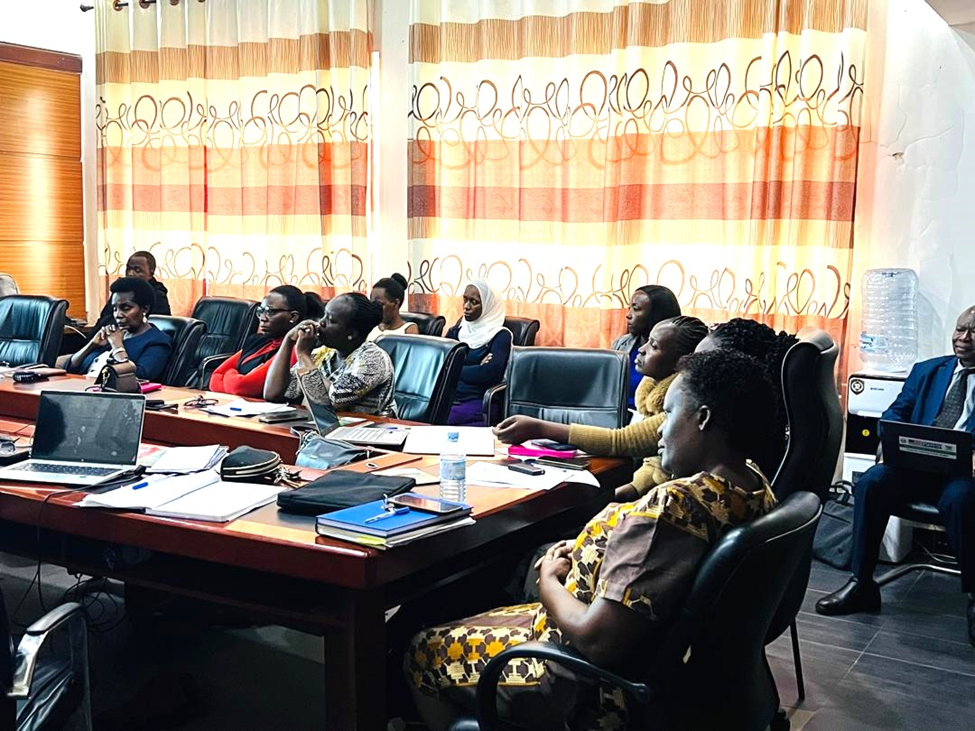
The training featured presentations by Mrs. Patience Mushengyezi, Ms. Prossy NakayikiKasujja, and Deputy Registrar Kabinga, who facilitated sessions on administrative procedures and the legal dimensions of records management. Other sessions were delivered by representatives of Dr. Godfrey Mayende and Prof. Paul MuyindaBirevu, who introduced participants to emerging technologies, the application of Artificial Intelligence in administrative work, and digital tools that support e-meetings and modern office management.
Strengthening Professionalism and Service Delivery
Participants welcomed the training and described it as a valuable opportunity to strengthen their professional competencies, enhance service delivery, and improve administrative efficiency within the College.
As universities increasingly embrace digital transformation, the training underscored the vital role of administrators and secretaries in preserving institutional memory, supporting decision-making processes, and ensuring the smooth functioning of academic and administrative operations.
About MakWC
Housed under the Directorate of Research, Innovation and Partnerships (DRIP), the Makerere University Writing Centre (MakWC) is a key institution supporting the University’s strategic goal of becoming a research-led institution by 2030. The Centre provides faculty, staff, and students with support in developing academic papers, research projects, reports, multimodal documents, and a wide range of writing-related outputs across disciplines.