
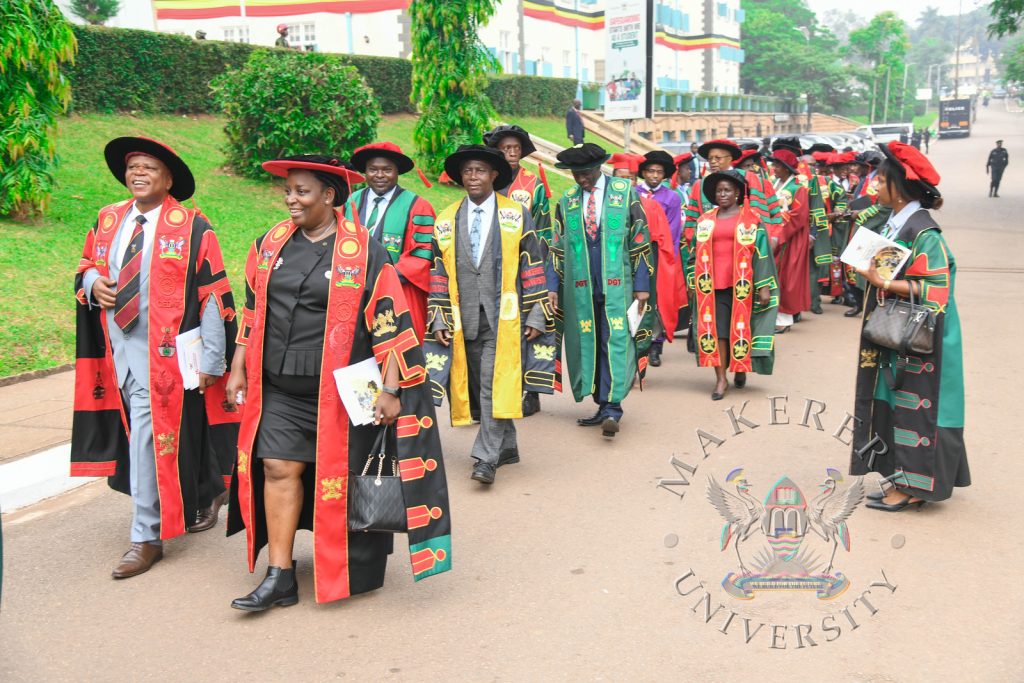
The College of Engineering, Design, Art and Technology (CEDAT) on Thursday celebrated the graduation of more than 790 students during DayFour of the 76th Graduation Ceremony of Makerere University, reaffirming the college’s central role in engineering innovation, industrial development, and national transformation.
The ceremony, held at Freedom Square, marked the conclusion of the four-day Makerere University graduation event that ran from 24th to 27th February 2026.
Graduation Statistics
CEDAT presented a total of 793 graduands, comprising 507 males and 286 females, across its engineering, design, and built-environment disciplines.
The degree distribution was as follows:
- Doctor of Philosophy (PhD): 12 graduands (9 males, 3 females)
- Master’s Degrees: 180 graduands (144 males, 36 females)
- Bachelor’s Degrees: 572 graduands (327 males, 202 females)
- Diplomas: 29 graduands (27 males, 2 females)
Vice Chancellor Hails CEDAT as a Lead Engineering Research College
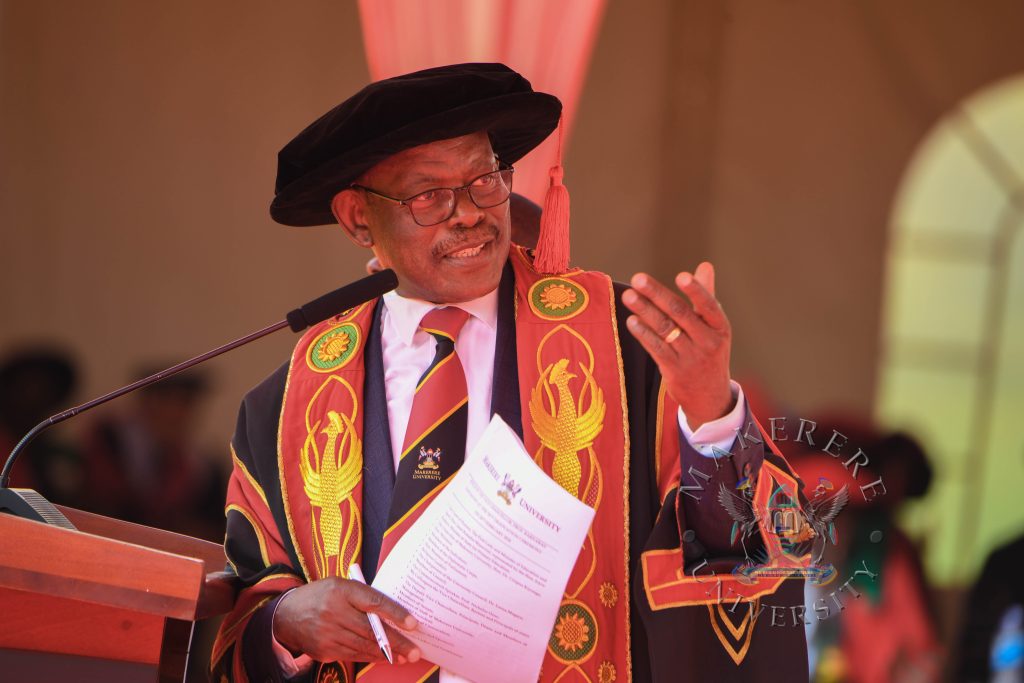
Addressing the congregation, Vice Chancellor Prof. Barnabas Nawangwe praised CEDAT for its sustained leadership in engineering research, innovation, and industry engagement.
“The College of Engineering, Design, Art and Technology remains one of Makerere University’s lead research colleges. Through its work in engineering and technology, CEDAT continues to generate solutions that respond directly to Uganda’s development priorities and Africa’s industrial ambitions,” Nawangwe said.
He emphasized that engineering and technology disciplines are critical to the university’s vision of becoming a research-intensive and innovation-driven institution, noting that CEDAT graduates are increasingly shaping infrastructure development, manufacturing, energy systems, and digital transformation.
College Leadership Highlights Industry Readiness and Infrastructure Growth
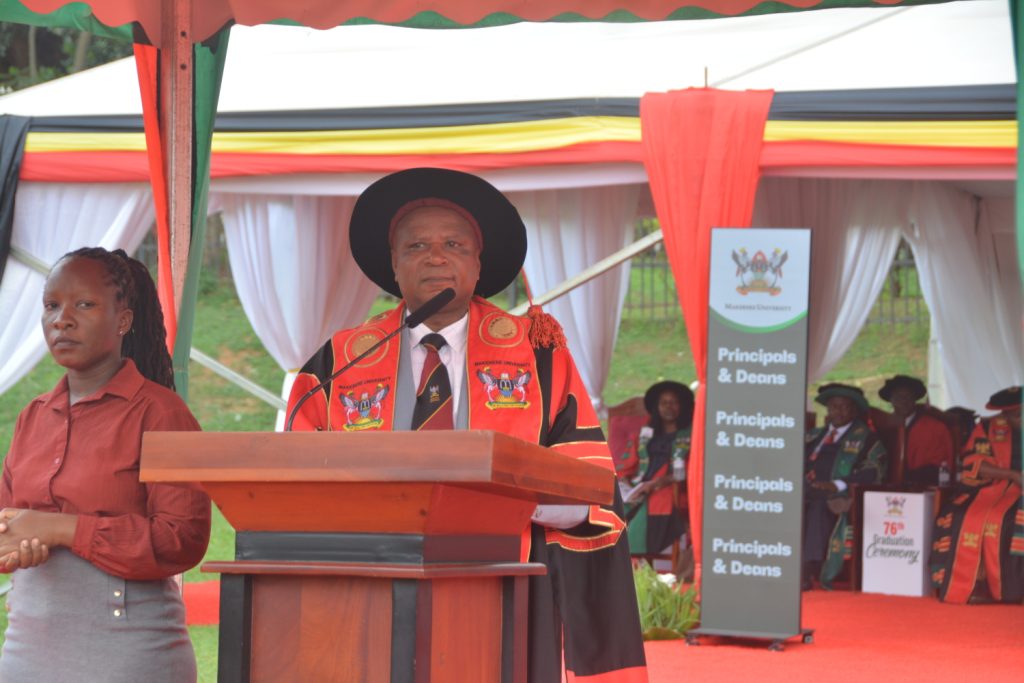
CEDAT leadership underscored the college’s deliberate focus on industry-ready training, applied research, and infrastructure development, supported by strategic partnerships with government, industry, and international agencies.
“Our mandate as CEDAT is to produce graduates who do not only understand theory, but who can design, build, test, and deploy solutions for society. We are strengthening industry collaboration, expanding advanced laboratories, and embedding innovation across all our programmes,” the college leadership noted.
A key partnership highlighted was CEDAT’s collaboration with Kiira Motors Corporation, which has provided students with exposure to automotive engineering, electric mobility, manufacturing systems, and industrial design. The partnership has enabled hands-on learning in vehicle systems, fabrication, and testing, positioning graduates for emerging mobility industries.
The college has also benefited from collaboration with the African Centre of Excellence, which is supporting the establishment of state-of-the-art laboratories, advancedworkshops,and 3D printing and rapid prototyping facilities. These facilities are strengthening postgraduate research, innovation, and product development.
Named Student and Staff Innovations Showcase Engineering Impact
CEDAT’s contribution to innovation was prominently recognized during the ceremony, with the Vice Chancellor citing the college’s history of translating engineering research into practical solutions.
Among the notable innovations associated with CEDAT are:
- Kiira Electric Vehicle (EV) Project — A landmark Ugandan engineering initiative involving Makerere engineers and researchers, which laid the foundation for local vehicle design, manufacturing, and electric mobility.
- MakaPad — An award-winning, low-cost sanitary pad innovation developed at Makerere, combining engineering design and social impact to address menstrual health challenges.
- Renewable energy and smart infrastructure prototypes developed by CEDAT students in areas such as solar-powered systems, automation, water engineering, and sustainable construction materials.
- Industrial design and fabrication startups emerging from student projects in mechanical engineering, electronics, and industrial and fine arts, many of which have been showcased at national innovation exhibitions and university innovation hubs.
“These innovations demonstrate that engineering at Makerere is not abstract,” Nawangwe said.
“It is practical, it is impactful, and it is improving lives.”
Disciplines Represented
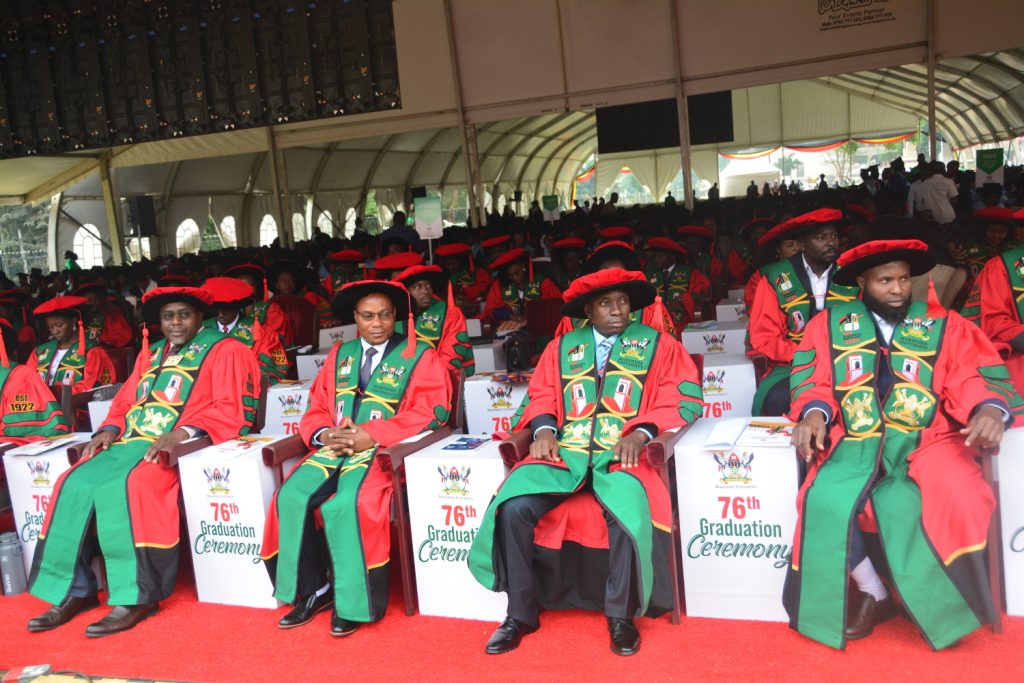
Graduands hailed from a wide range of departments under CEDAT, including:
- Civil and Environmental Engineering
- Electrical and Computer Engineering
- Electronics Engineering
- Mechanical Engineering
- Architecture
- Industrial and Fine Arts
- Land Surveying
- Quantity Surveying
- Geomatics
- Urban and Regional Planning
Several departments recorded strong academic performance, competitive student innovations, and continued progress toward professional accreditation and curriculum modernization aligned with industry needs.
Graduates Urged to Build, Innovate, and Lead with Integrity
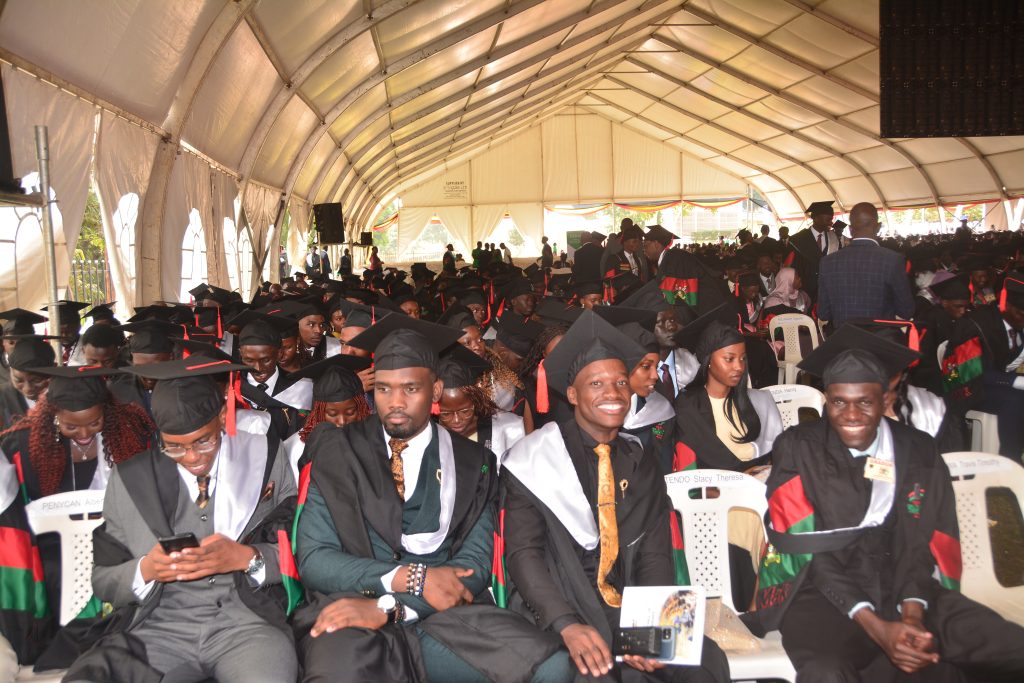
University leadership challenged CEDAT graduates to embrace entrepreneurship, ethical practice, and problem-solving, noting that engineering and design disciplines are central to Uganda’s industrialization agenda.
“You are graduating with skills that society urgently needs,” Nawangwe told the graduands.
“If employment does not come immediately, create opportunities. Every infrastructure challenge, every energy gap, every design problem is an opportunity for innovation.”
The graduation of the CEDAT Class of 2026 reaffirms Makerere University’s commitment to engineering excellence, research-led education, and innovation-driven national development, with a new generation of engineers, designers, and technologists ready to build Africa’s future.
Written by Fortune Muwanguzi & Harriet Musinguzi.
Posted by Isemaghendera Alex, IT Officer, CEDAT.