By Harriet Musinguzi
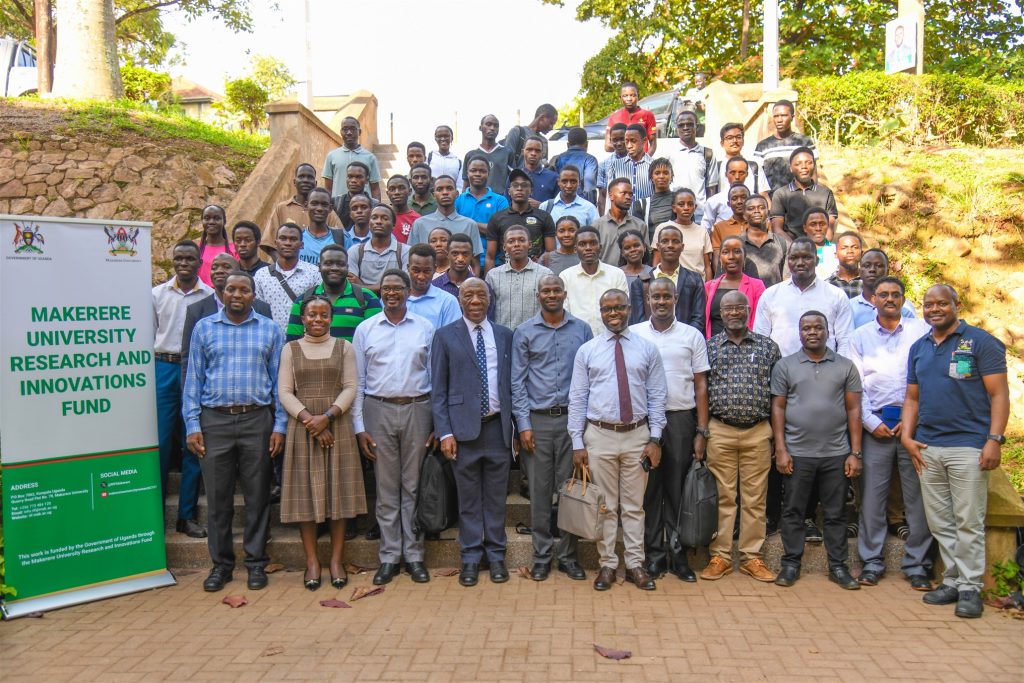
As part of the Lake Victoria Improved Water Level Management through Advanced Modelling (LIVWA) Project, newly developed tools were unveiled during a dissemination workshop hosted by the College of Engineering, Design, Art and Technology (CEDAT) on August 26th, 2026. The project seeks to develop advanced hydrological and climate models to enhance water level management in Lake Victoria, East Africa’s largest freshwater resource.
The tools were designed to integrate remote sensing and reanalysis climate datasets with advanced hydrological modeling, enabling researchers and policymakers to better predict fluctuations in water levels in the lake. By combining historical data with AI and Machine Learning forecasting, the models aim to provide actionable insights for sustainable water resource management.
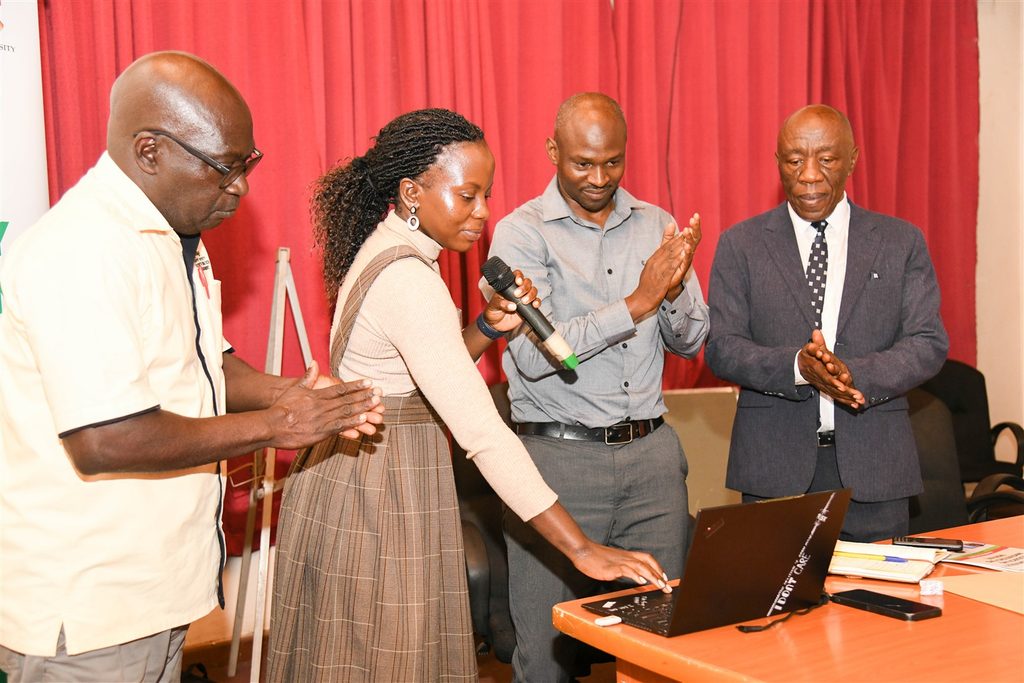
The research project is supported by the Makerere University Research and Innovation Fund (MakRIF) and implemented by CEDAT staff in collaboration with the Uganda Electricity Generation Company Limited (UEGCL).
The dissemination event brought together engineers, researchers, policymakers, students and environmental experts to make contributions in the effort to address the pressing challenges posed by fluctuating lake water levels such as threats to dam safety, ecosystems, and livelihoods of communities around the region’s largest freshwater lake.
The Principal Investigator, Prof. Henry Alinaitwe, together with Co‑PI Martin D. Tumutungire, presented the background of the LIVWA Project during the dissemination workshop. They outlined the current status of Lake Victoria, stressing that its water levels fluctuate depending on the delicate balance between inflows and outflows. “Lake Victoria’s hydrology is complex,” Prof. Alinaitwe explained, citing major inflows from rivers such as Katonga, Kagera, and Nzoia, as well as contributions from groundwater recharge. He added that the primary outflow occurs at the Nalubaale dam at Jinja and through evapotranspiration. Additional factors such as seepage and withdrawals e.g by the National Water and SewerageCorporation and other regional water agencies were also noted as influences on water levels.
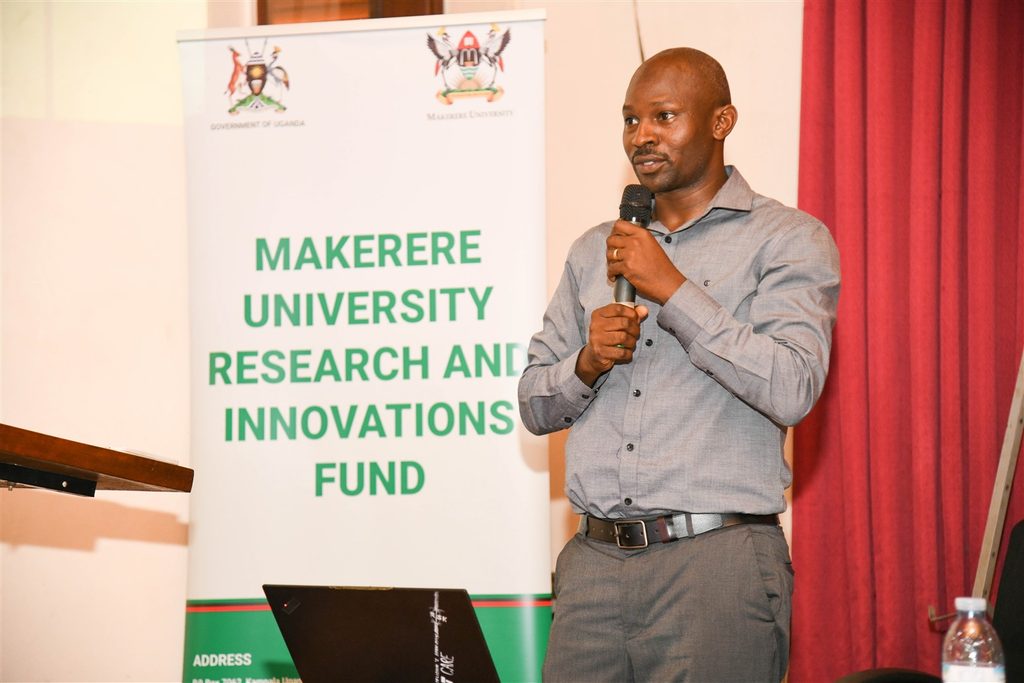
Prof. Alinaitwe emphasized the implications of these dynamics, noting that they affect both the overall volume and distribution of water in the lake. “We have seen situations where water levels rise to high points or drop to critical lows,” he remarked, underscoring the importance of predictive modeling to ensure sustainable management of this vital resource.
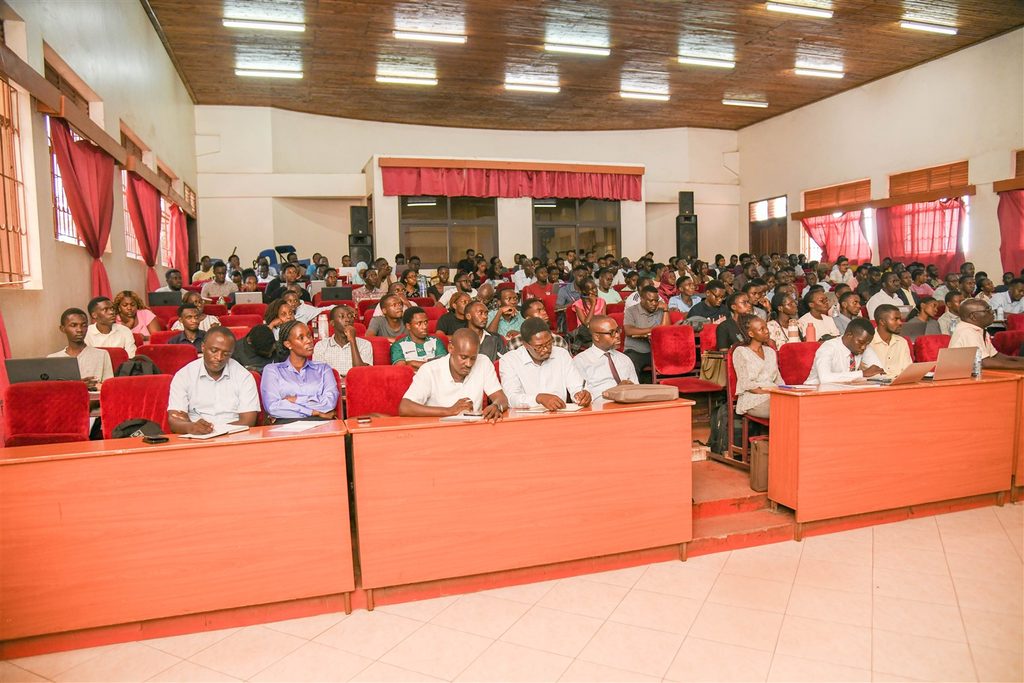
During the workshop the participants were trained on how to access and use the developed tools for Bias-correction of remote sensed and reanalysis data sets and forecasting lake water levels. The developed webtool was unveiled and is accessed at https://livwa-cedat.mak.ac.ug. Beyond technical training, the workshop highlighted the role of capacity building in empowering young researchers and government agencies to utilize climate datasets for sustainable resource management. Organizers stressed that effective dissemination of climate information to communities and policymakers is critical, given Lake Victoria’s central role in livelihoods, transport, and energy production.
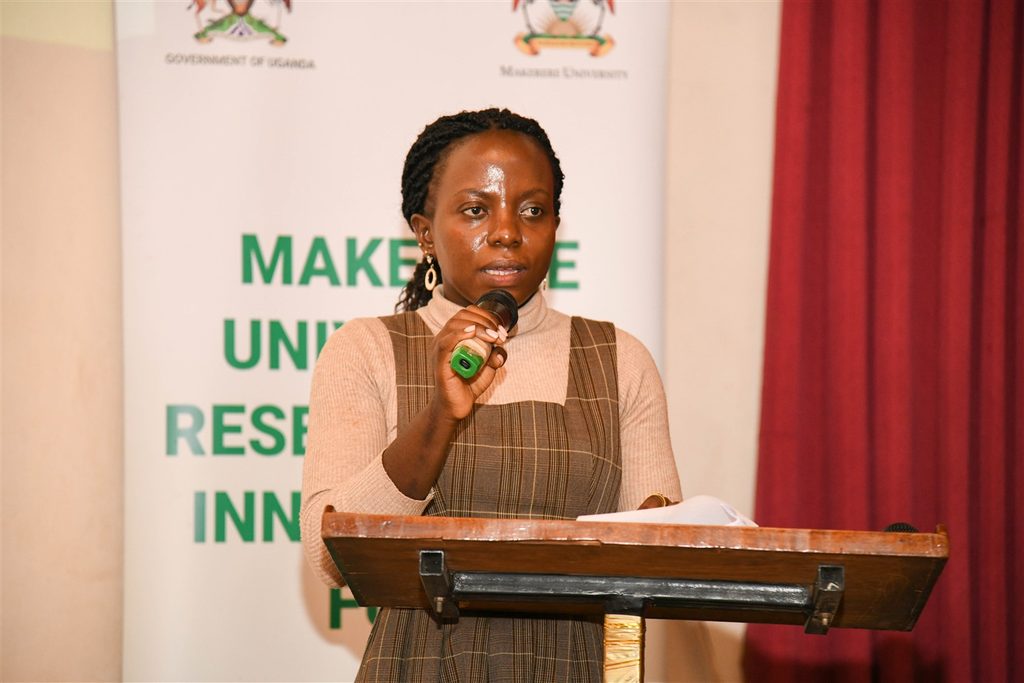
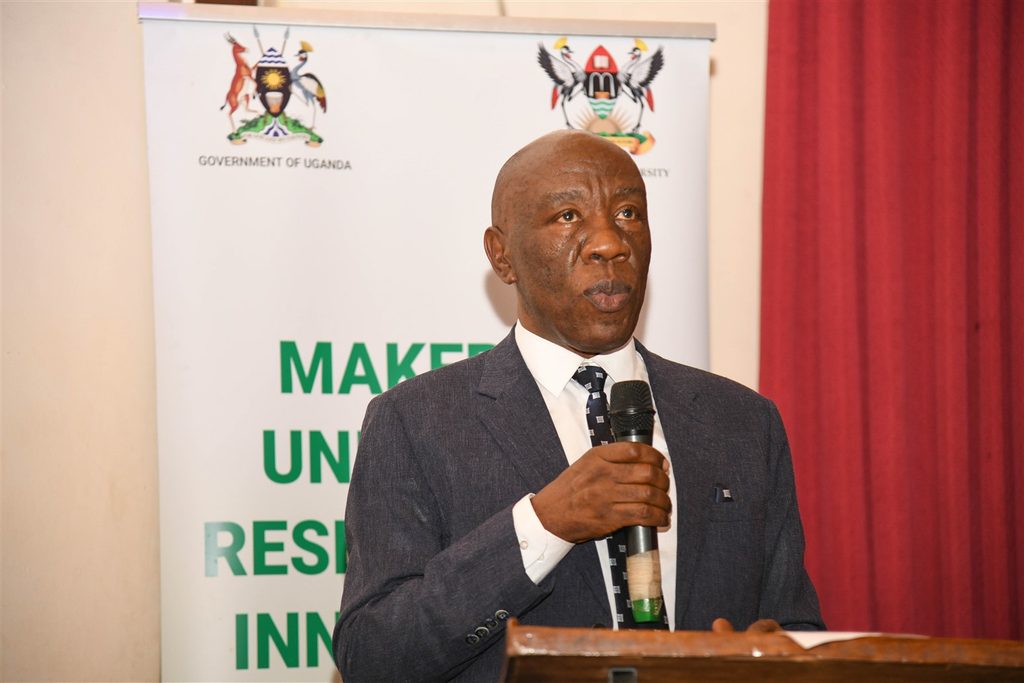
Professor Fred Masagazi, the Chair of the Makerere University Research and Innovations Fund (MakRIF) Grant Management Committee who was represented by the MakRIF Communications Officer, Ms. Winnie Kyamulabi, reaffirmed the government’s commitment to research, noting that thirty billion shillings are allocated annually to support innovation. He highlighted that this is the eighth year of funding, with priorities focused on generating translatable research, building leadership capacity, and supporting high-quality dissertations by faculty members to address gaps in Uganda’s development agenda. He said over 600 staff members across the colleges have been trained to conduct and manage research.
In the effort to align the research agenda to the National Development Plan, which requires research to fill the evidence gaps, Prof. Masagazi said MakRIF‘s objective is to support research and Innovation Initiatives that improve the national development initiatives across all sectors critical to the economy especially underfunded priorities. He said the project lies in theme four, Water, Sanitation and Environment, which is a prerequisite to sustainable development. He urged the researchers to move the project further since it was pertinent in addressing survival and the future.
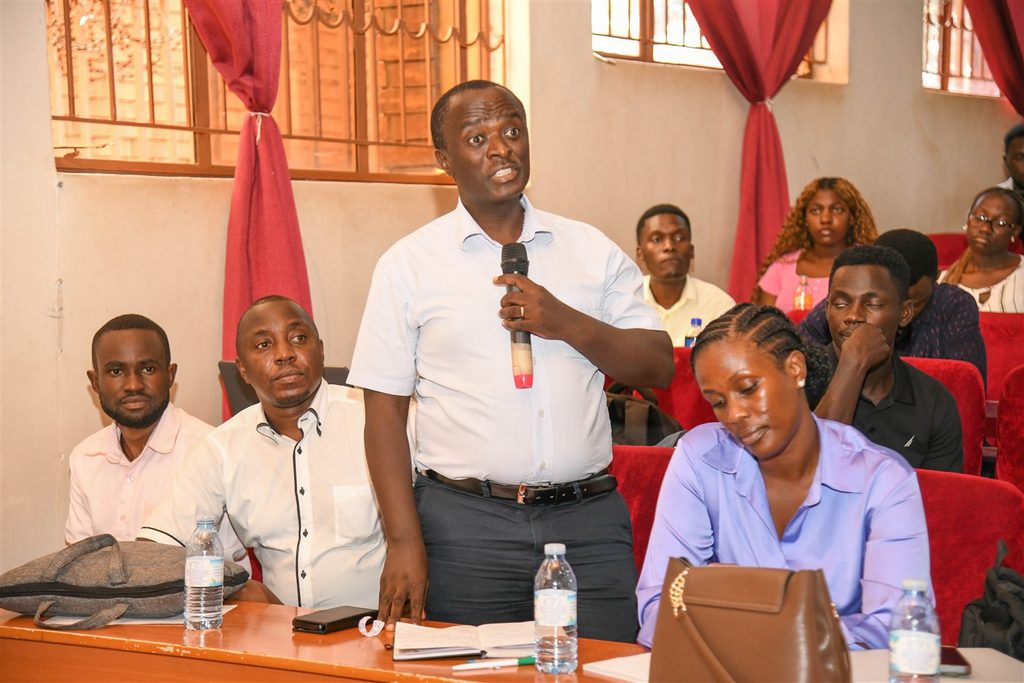
The workshop underscored alignment with Uganda’s National Development Plan, stressing the importance of investing in solutions for natural resource management. Stakeholder involvement was emphasized as critical to ensuring that useful climate and hydrological information reaches communities and policymakers for practical application.
Posted by Isemaghendera Alex, IT Officer, CEDAT