
By Harriet Musinguzi
Staff and students at Makerere University’s College of Engineering, Design, Art and Technology (CEDAT) have been urged to embrace gender-responsive practices and take an active role in promoting equality, preventing sexual harassment and fostering a safe, inclusive and supportive university environment.
The call was made during a gender sensitization workshop held on 28th October 2026 and organized by the Makerere University Directorate of Gender Mainstreaming. The engagement brought together members of the CEDAT community to deepen their understanding of the University’s gender policies, discuss challenges affecting their implementation and provide feedback on strengthening gender equality across the institution.
College Leadership Calls for Active Participation
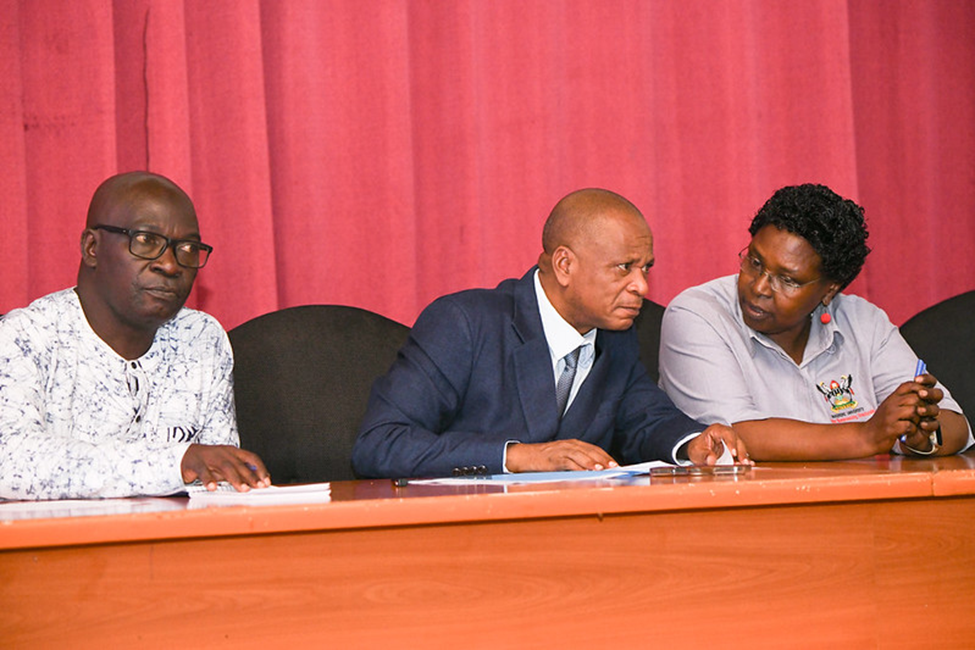
Welcoming the team from the Directorate of Gender Mainstreaming, CEDAT Principal Prof. Moses Musinguzi appreciated the directorate for taking the initiative to raise awareness about the University’s gender policies. He emphasized that gender concerns affect everyone and called on staff and students to participate actively in understanding and implementing the policies.
Prof. Musinguzi observed that gender issues are sometimes mistakenly perceived as matters concerning women alone, yet they have implications for the wellbeing, productivity and participation of all members of the university community.
He noted that sexual harassment can undermine trust, confidence and productivity in academic and professional environments. He therefore encouraged students and staff to report cases and support efforts to address the vice.
“Sexual harassment is a serious issue because it affects people’s productivity, trust and confidence. I encourage students and staff to report cases so that appropriate action can be taken,” he emphasized.
He further acknowledged that the sensitization was an opportunity for college leadership and the wider community to learn, reflect on their practices and identify areas where they could strengthen their commitment to gender-responsive approaches.
Prof. Kizito Maria Kasule, the CEDAT Deputy Principal also called upon members of the College to become ambassadors for gender equality and the prevention of sexual harassment. Drawing from his experience in supporting affected students, he emphasized the importance of standing up for the rights of vulnerable members of the university community and ensuring that the University’s policies are effectively implemented.
Gender Mainstreaming Goes Beyond Awareness
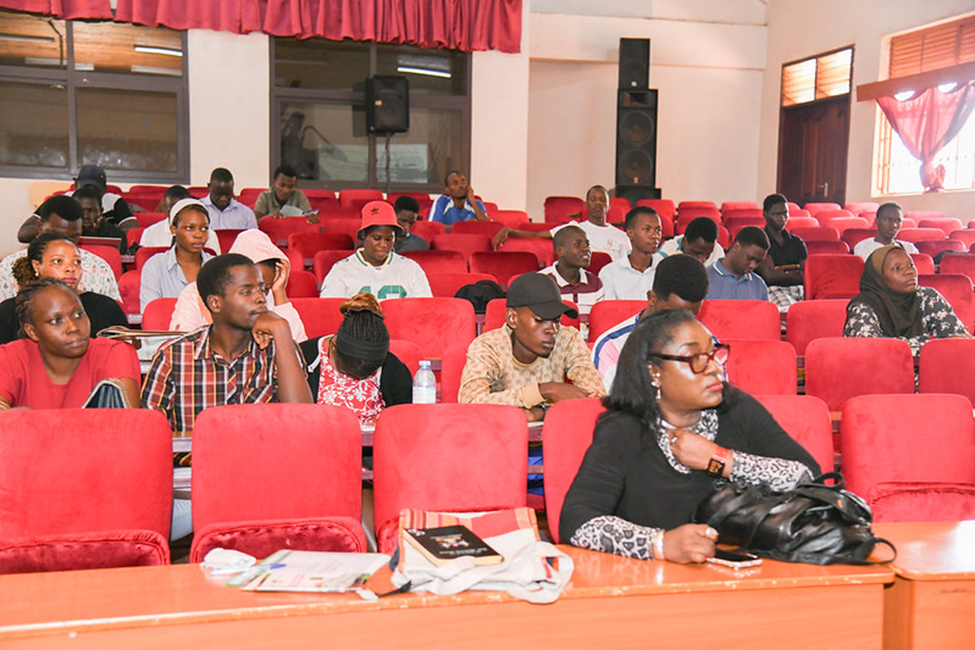
Speaking during the engagement, the Director of the Gender Mainstreaming Directorate, Dr. Euzobia Baine Mugisha, thanked the College leadership for participating in the sensitization, describing their involvement as an important demonstration of institutional commitment to gender equality. She explained that the workshop had two main objectives: to disseminate Makerere University’s Gender Equality Policy and Policy and Regulations Against Sexual Harassment, and to obtain feedback from stakeholders to inform their effective implementation and continuous improvement. Dr. Baine emphasized that gender mainstreaming should be integrated into all university functions, including teaching, learning, research, outreach, partnerships and institutional management.

She particularly highlighted the importance of gender equality in Science, Technology, Engineering and Mathematics (STEM), noting that engineering and other technical disciplines must consider the needs of both men and women in the design of products, systems and services.
She also stressed the need to move beyond focusing on enrolment figures to examine the progression of women in academia, their participation in leadership and the institutional mechanisms available to support their advancement.
Among the issues highlighted was the need for stronger support systems for nursing mothers, including appropriate arrangements for staff with childcare responsibilities. She encouraged the College to integrate gender considerations into its partnerships and networks, including student internship programmes.
Understanding and Implementing University Gender Policies

Facilitators from the Directorate of Gender Mainstreaming, led by Dr. Baine guided participants through the objectives, provisions and application of Makerere University’s Gender Equality Policy and Policy and Regulations Against Sexual Harassment. Participants were informed that the policies apply to students, academic and administrative staff, as well as other individuals who study, work or undertake activities within university spaces.
The Gender Equality Policy seeks to promote equitable access, participation, retention and progression for students and staff while encouraging greater representation of women and other underrepresented groups in STEM programmes and leadership positions. The facilitators emphasized that gender mainstreaming is a shared institutional responsibility that should be reflected in university programmes, policies, planning and day-to-day operations.
Strengthening Prevention and Response to Sexual Harassment
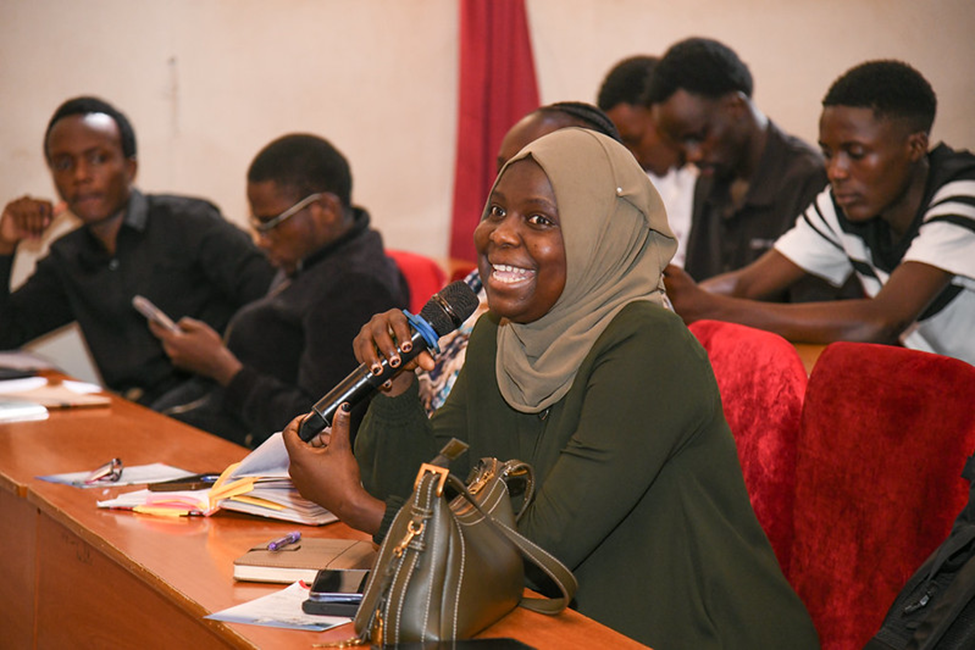
A key component of the workshop focused on the University’s Policy and Regulations Against Sexual Harassment, which provides guidance on the prevention, reporting, investigation and management of sexual harassment cases. Participants discussed the importance of creating safe learning and working environments where members of the university community can raise concerns and seek support without fear.
Gender-Responsive Planning and Budgeting
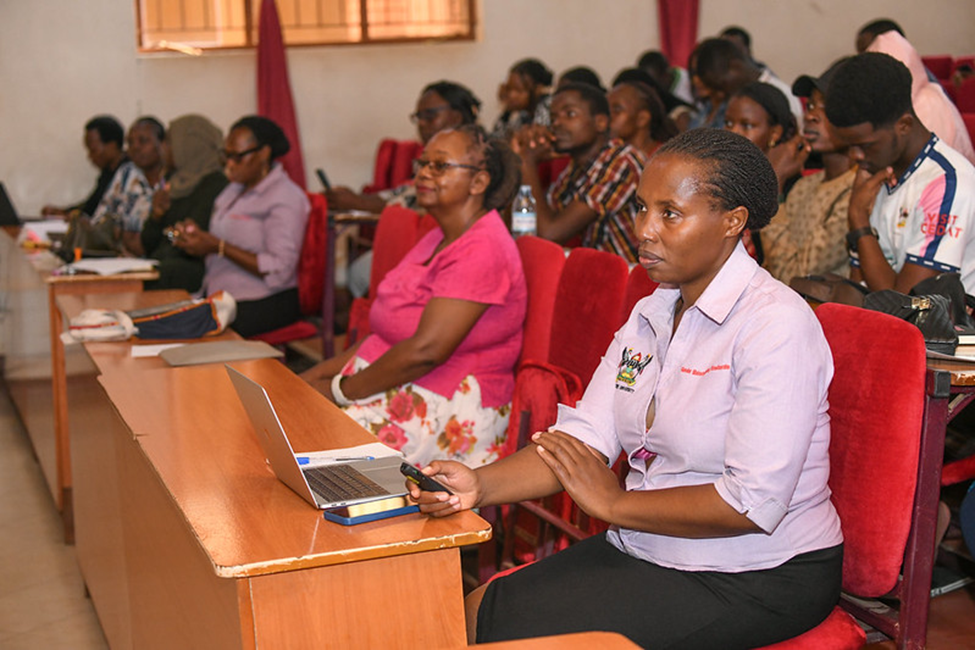
The workshop also highlighted the importance of integrating gender and equity considerations into institutional planning and budgeting. Participants were informed about the requirements of the Public Finance Management Act, which obliges public institutions to mainstream gender and equity concerns in their plans and budgets.
The role of the Equal Opportunities Commission in assessing institutional performance in fulfilling gender and equity commitments was also discussed. Participants reflected on how the College could strengthen compliance and address existing gaps in implementing gender-responsive initiatives.
Building an Inclusive University Community
The sensitization provided a platform for staff and students to share experiences, seek clarification and offer recommendations on improving the implementation of the University’s gender policies.
The discussions reinforced the need for collective responsibility in creating a university environment where everyone enjoys equal opportunities, feels respected and can participate meaningfully in academic and institutional activities.
The engagement reaffirmed Makerere University’s commitment to promoting gender equality, preventing sexual harassment and building an inclusive academic community in which both staff and students can thrive.