
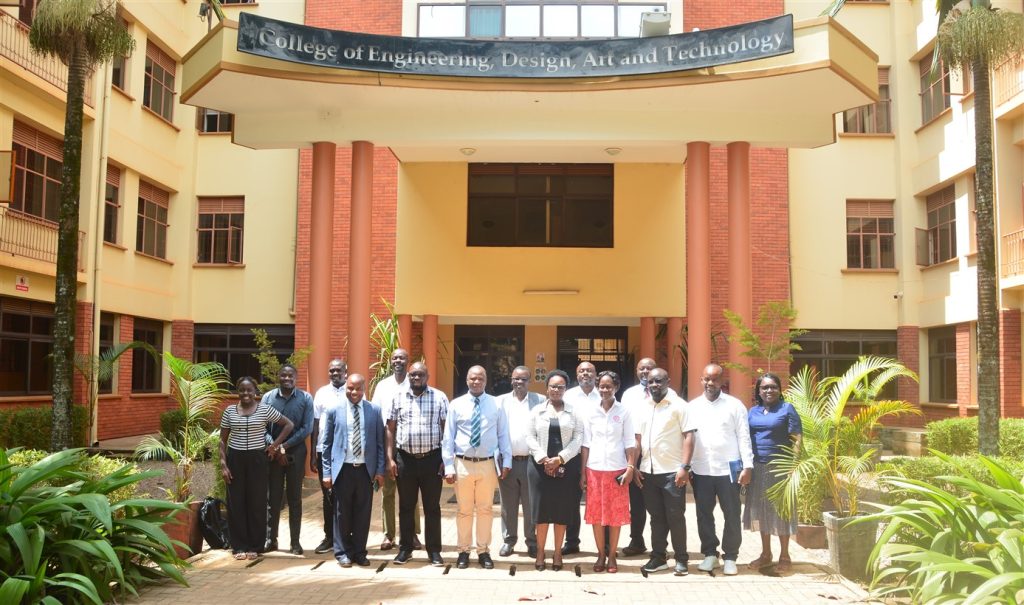
The College of Engineering, Design, Art, and Technology (CEDAT) at Makerere University has initiated a strategic collaboration with the Kampala Capital City Authority (KCCA) to address the escalating challenges of solid waste management in Kampala. This partnership seeks to harness academic expertise and municipal leadership to develop sustainable, innovative, and context-appropriate solutions that will strengthen the city’s waste management systems and safeguard its urban environment.
During the January 30, 2026 meeting at CEDAT, participants agreed on a set of flagship research themes to guide collaboration between KCCA and Makerere University in addressing Kampala’s solid waste management challenges. The first theme focuses on advancing a circular economy and resource recovery, with an emphasis on organics, plastics, energy, and nutrient recovery. The second theme highlights urban public health and environmental risks, particularly drainage dumping, disease pathways, and community exposure. Governance, policy, and financing models form the third theme, exploring public-private partnerships, cost-recovery mechanisms, and the effectiveness of regulation. The fourth theme emphasizes technology and innovation in low- and middle-income cities, with a focus on developing context-appropriate treatment technologies. Finally, the fifth theme addresses behavioral and social dimensions, including segregation at source, compliance, and community engagement. Together, these themes provide a comprehensive framework for structured collaboration and innovation in solid waste management for Kampala.
CEDAT Principal, Prof. Moses Musinguzi, chaired the meeting which comes in the wake of significant changes to Kampala’s waste management system following the closure of the Kiteezi Landfill in August 2024. In response to this closure, the Buyala Solid Waste Management Facility in Mpigi District was rapidly established and has since become the city’s primary disposal site.
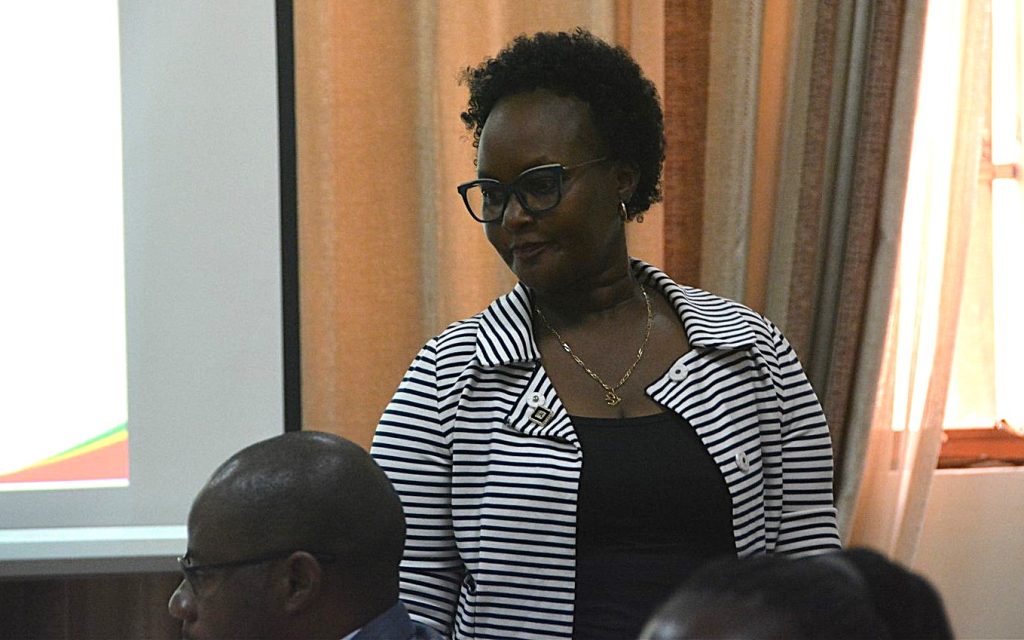
According to Dr. Sarah Zalwango, the Acting Director for Public Health at KCCA, Kampala currently generates about 2,500 tons of waste per day, with the Buyala Solid Waste Management Facility in Mpigi District receiving roughly 1,500 tons daily through 150 trucks, representing nearly 70 percent of the city’s municipal waste. She noted that organic waste constitutes close to 80 percent of the total, highlighting the scale of the challenge and the urgent need for sustainable solutions. Dr. Zalwango outlined ongoing transition initiatives, including the deployment of scout teams to sensitize communities, community clean-ups, promotion of the 3Rs (reduce, reuse, recycle), encouragement of black soldier fly rearing, and mapping of community entrepreneurs alongside digital innovations. However, she emphasized persistent challenges such as the absence of primary receptacles at household level, lack of segregation at source, limited involvement of Local Councils, and insufficient research to guide decision-making. She said collaboration with universities and research institutions can support technology pilots for smart waste collection, data systems, performance evaluations, community behaviour, change, and policy research, and more.
During a joint site visit to Buyala on December 8, 2025, experts from KCCA and Makerere University examined key operational and environmental issues, including leachate generation estimated at 58,000 litres per day. The facility currently uses three clay-lined ponds for natural stabilization with a one-month retention period. Engineering recommendations from the visit included extending the leachate flow path by 100 metres to improve natural filtration and adopting the Fukuoka Method to transition from open dumping to a semi-aerobic controlled landfill.
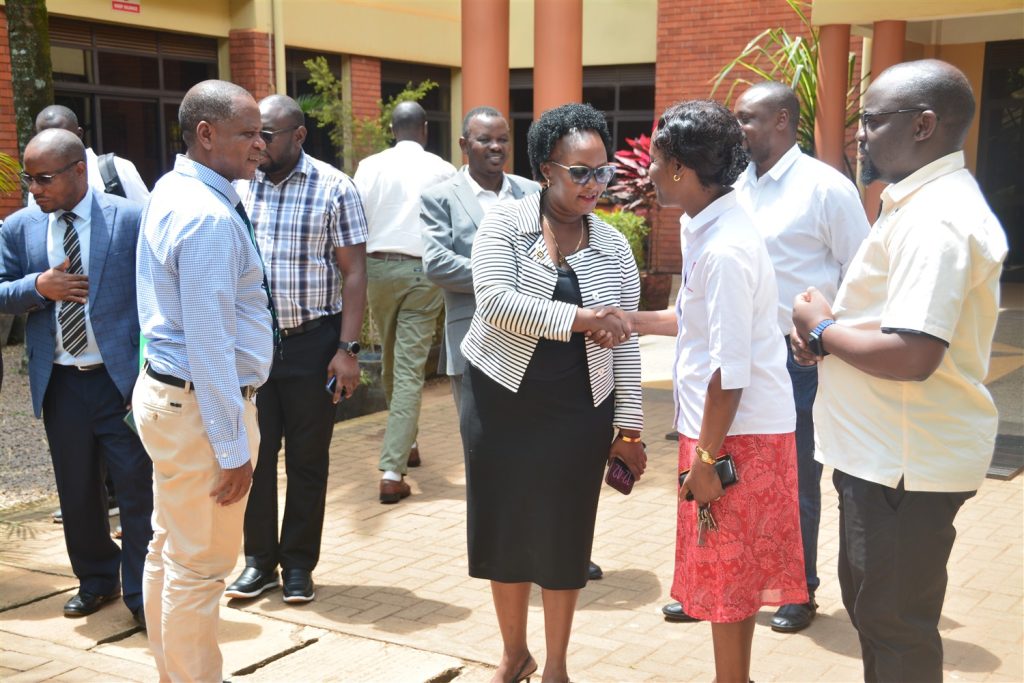
CEDAT officials emphasized that sustainable solid waste management requires an integrated approach combining urban planning, engineering design, environmental management, research, and technology deployment. Makerere University expressed readiness to support KCCA in developing context-appropriate solutions that are technically sound, environmentally responsible, and financially sustainable.
The key output of the meeting was the establishment of a six-member committee tasked with developing the framework for implementing the collaboration between KCCA and Makerere University. This committee will guide the operationalization of agreed priorities and ensure that the partnership delivers practical and sustainable solutions for Kampala’s solid waste management. In addition, the meeting achieved consensus on expected outcomes, including building a shared understanding of the city’s current waste management situation, agreeing on modalities for structured collaboration, and identifying priority areas and next steps to strengthen the partnership.