
By Harriet Musinguzi & Pius Kikomeko
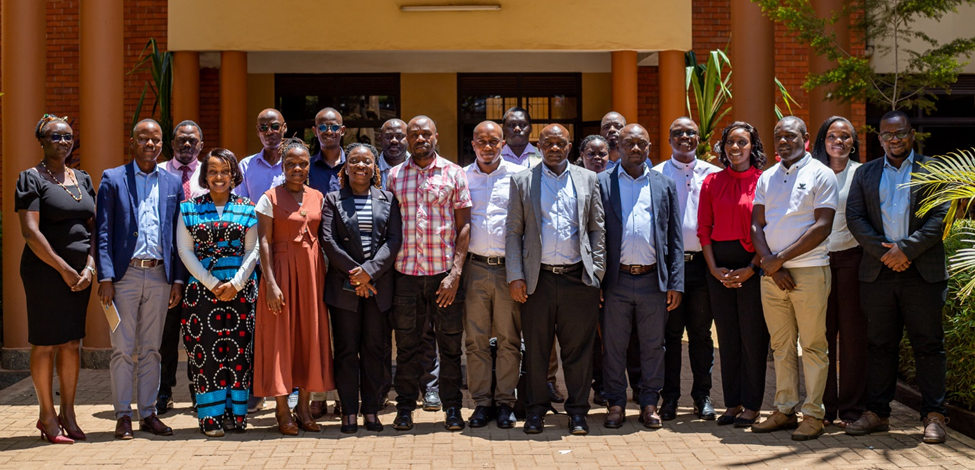
Makerere University’s College of Engineering, Design, Art and Technology (CEDAT) hosted a Validation Workshop on August 28, 2026, to review and validate the revised MSc. RenewableEnergy curriculum. The event brought together engineers, researchers, policymakers, students, and industry representatives at the CEDAT Conference Hall. The workshop’s objectives included validating whether the revised curriculum responds to sector needs, incorporates practical training, mainstreams gender equality, and aligns with national development priorities.
Prof. J.B. Kirabira, the Co- PI of the Austrian Government supported project, ‘ Promotion of Hybrid Renewable Energy Systems towards Electricity Access in Uganda’ moderated the session, and emphasized the need for curricula that reflect rapid changes in the energy sector, citing climate change, energy security, and technological innovation. He noted that the revised program equips graduates with competencies in hybrid renewable energy systems, energy storage, system modelling, and energy policy, while integrating gender and social inclusion.
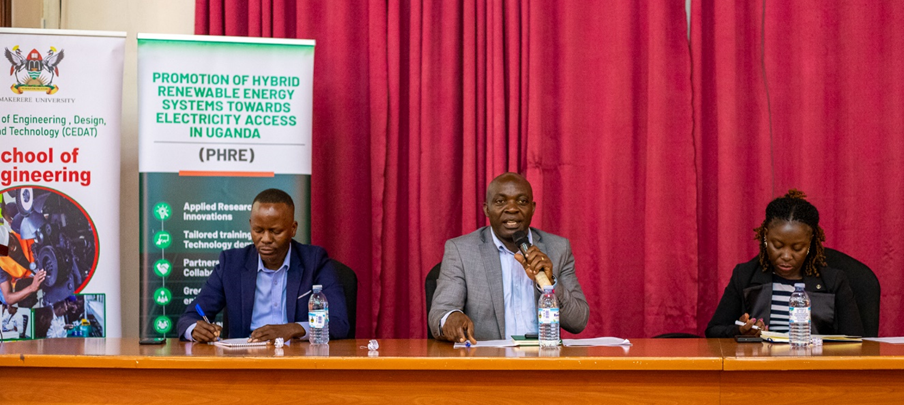
Assoc. Prof. Dorothy Okello, Dean of the School of Engineering delivered the opening remarks at the Validation Workshop for the revised MSc. Renewable Energy curriculum. She described the event as a key milestone and expressed gratitude to the Austrian Government for supporting the initiative, as well as to the Department of Mechanical Engineering for its leadership. Prof. Okello noted that the project is timely, aligning with Uganda’s transition to competence-based education by the 2027/2028 academic year, as required by the National Council for Higher Education. She urged participants to consider the new requirement of 60 percent coursework and practical training versus 40 percent theory, highlighting existing facilities such as Maker spaces. She emphasized community engagement, gender inclusion, and preparing graduates for the labor market, including proposals to extend industrial training from eight weeks to a semester or year.
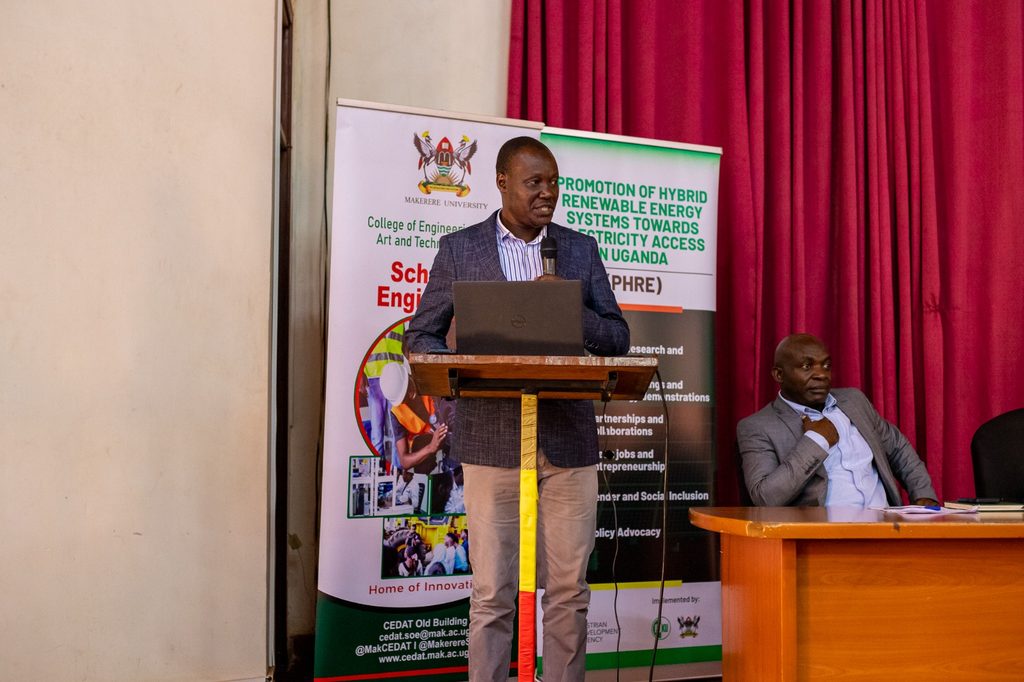
Assoc. Prof. Peter W. Olupot, Chair of the Department of Mechanical Engineering at Makerere University, noted that the program was due for review, having been accredited in 2022. Olupot highlighted the program’s popularity, describing it as one of the most sought-after at Makerere, and emphasized the need to update the curriculum to reflect dynamic issues such as climatechange and green skilling. He urged participants to ensure the revised curriculum captures emerging priorities, including the transition from non-green technologies to renewable energy, the challenges of intermittent sources like solar and wind, and the importance of energy storage and the hydrogen economy. Olupot further commended the project team for supporting graduate students, citing the urgent need for specialized skills in renewable energy, automation, and robotics.
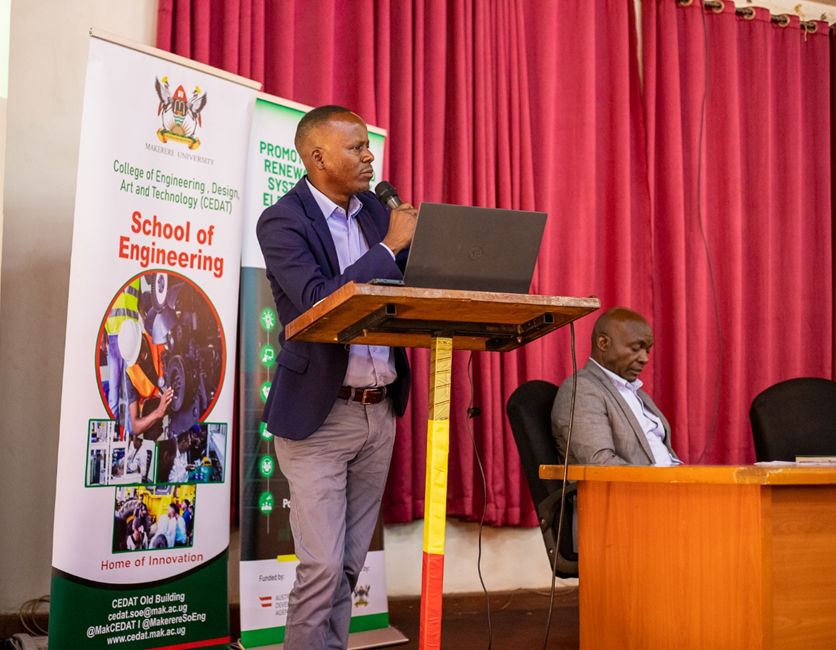
Dr. Hilary Kasedde the Principal Investigator said the projectis a collaborative partnership between Makerere University and Boku University in Austria. Running since 2023, the project involves seeks to strengthen scientific cooperation while enhancing capacity in renewable energy studies. Dr. Kasedde highlighted key achievements, including the development of new modules for the MSc. Renewable Energy program, the establishment of Maker spaces and instructional laboratories, and three rounds of practical training conducted with support from Boku University. He emphasized the project’s four pillars, curriculum development, teaching and learning labs, gender and social inclusion, and dissemination, underscoring the importance of engaging diverse groups such as women, youth, and persons with disabilities in Uganda’s energy transition.
Posted by Isemaghendera Alex, IT Officer, CEDAT