
By Harriet Musinguzi
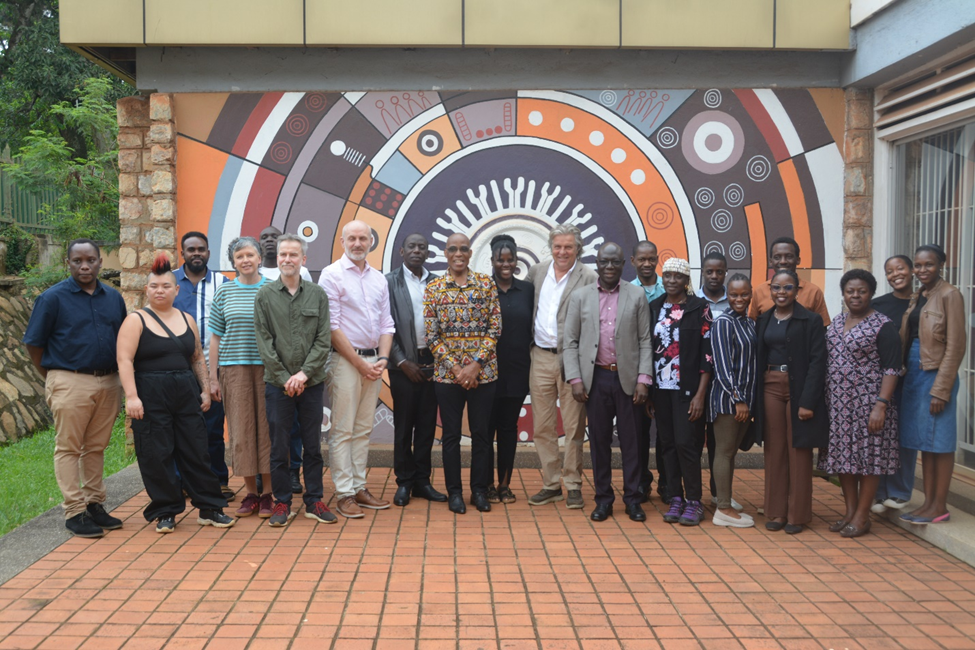
Makerere University’s Margaret Trowell School of Industrial and Fine Arts (MTSIFA) held a NORPART Common Ground seminar to showcase the achievements of its five-year collaboration with the University of Bergen (UiB), Norway.
Held on November 11, 2026, the seminar, which culminated into an exhibition at the Makerere Art Gallery, brought together academic staff, students, project partners and other stakeholders to review the project’s achievements and discuss how indigenous knowledge and locally available materials can be integrated into art and design education. The Common Ground project builds on more than 30 years of partnership between Makerere University and the University of Bergen. Its concept was developed in 2019, with implementation commencing in 2022.
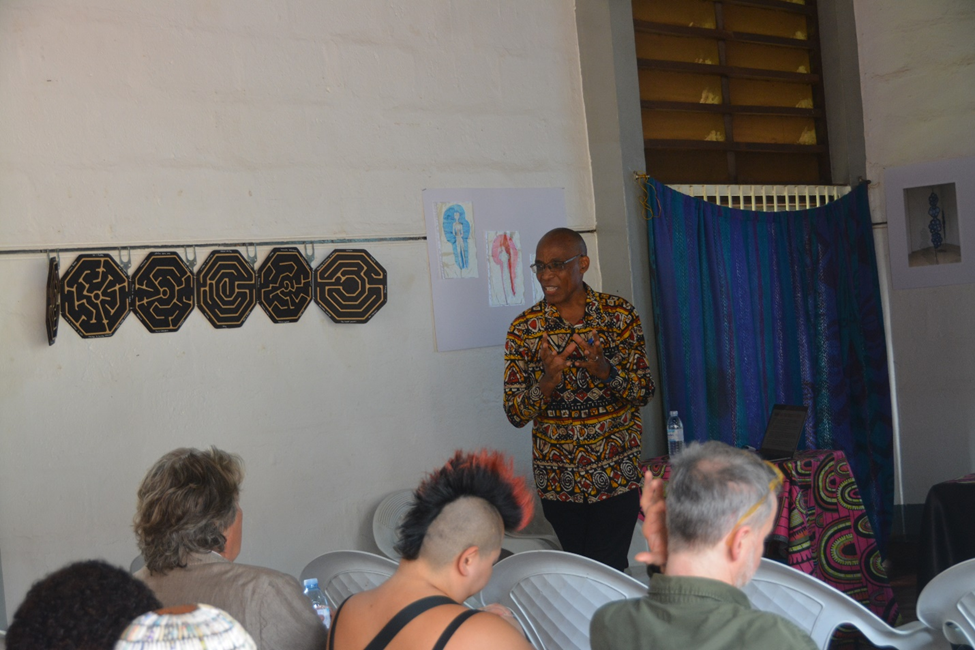
Speaking at the seminar, Prof. Kwesiga, the Principal Investigator who presented the Ugandan perspective, said the project was informed partly by challenges relating to delayed completion of postgraduate programs at MTSIFA. He emphasized the importance of indigenous knowledge in human development and its contribution to the humanities, art and design.
He noted that art extends beyond painting to include various creative and technical disciplines, explaining that knowledge of art and design is essential in promoting creativity and innovation across fields, including engineering.
“Today, everyone talks about innovation, creativity, critical thinking and state-of-the-art solutions. However, these cannot be fully realised without appreciating the contribution of art and design,” he observed. The project aimed to strengthen multidisciplinary internationalization of higher education between the Global South and Global North through art, design and music. It also sought to develop curricula that promote skills development, equitable education and cultural sustainability through multidisciplinary artistic practices.
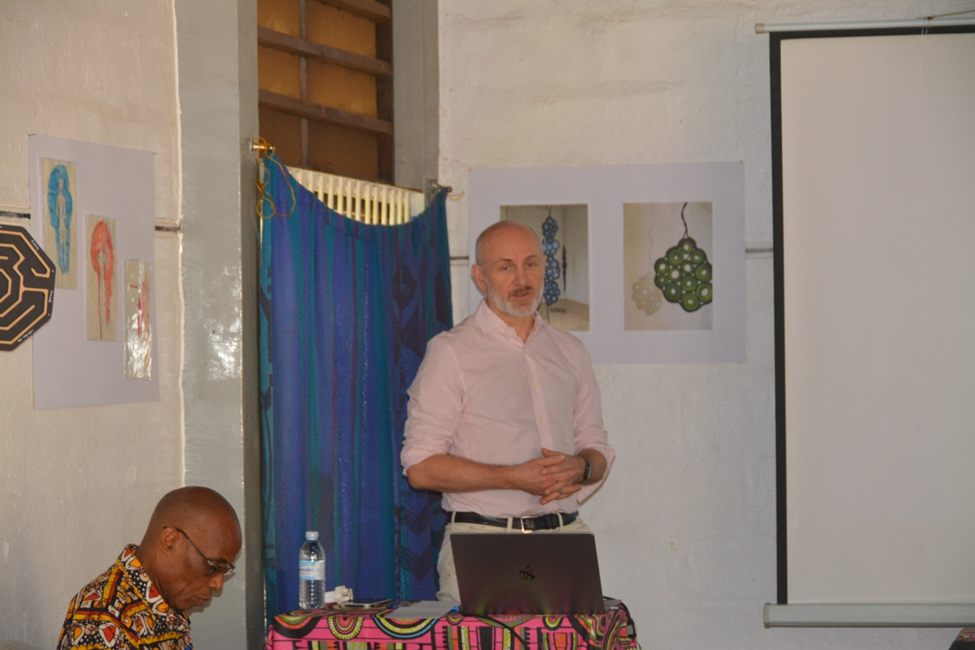
Under the collaboration, students, academic staff and independent professionals from the two universities participated in workshops, academic exchanges and collaborative creative activities using locally available materials.
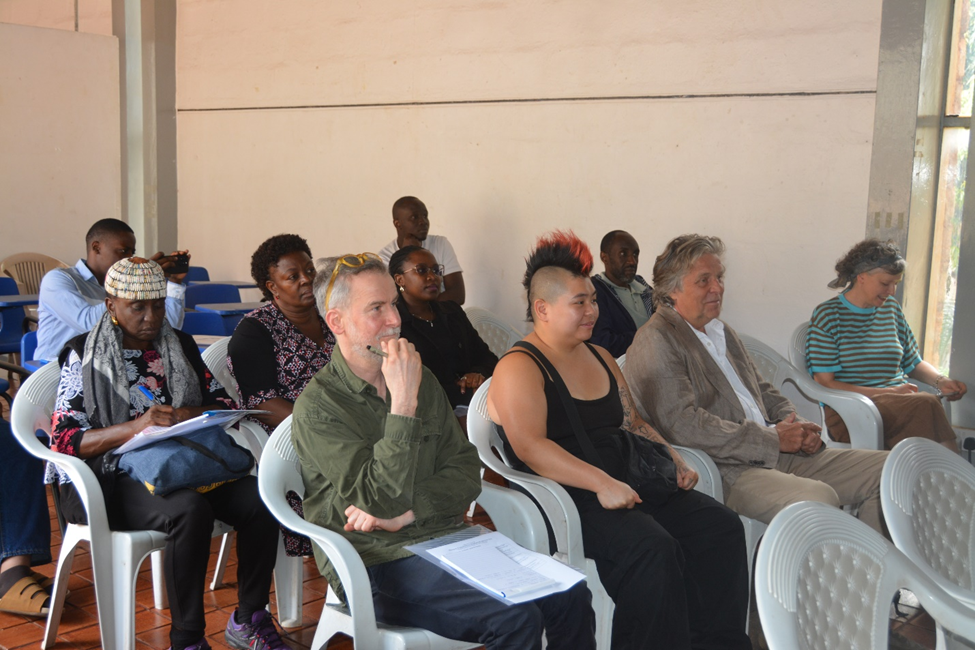
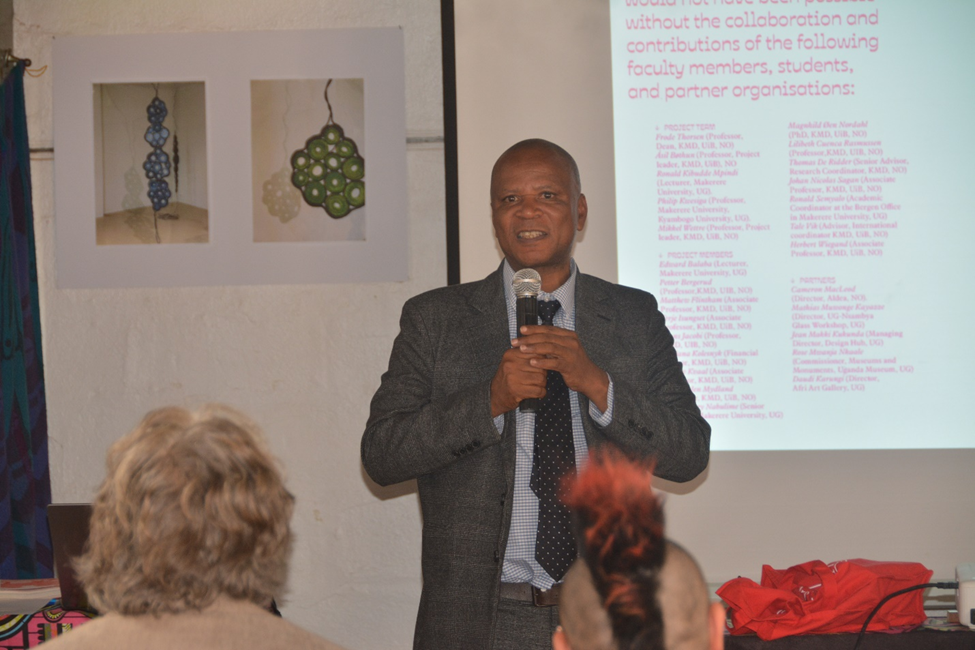
The Principal of the College of Engineering, Design, Art and Technology (CEDAT), Makerere University, Prof. Moses Musinguzi, underscored the importance of international academic partnerships in strengthening higher education, research and innovation. He noted that collaborations between Makerere University and Norwegian partner institutions provide valuable opportunities for staff and student mobility, knowledge exchange, joint research and postgraduate capacity development. He emphasized that such partnerships are critical in equipping universities to respond to emerging societal challenges through innovative and sustainable solutions. Prof. Musinguzi further called for deliberate efforts to sustain the gains made through the NORPART collaboration beyond the programme period. He encouraged researchers, academic staff and students to translate the knowledge and experiences gained into impactful research, technological innovations and practical solutions addressing Uganda’s and the region’s development priorities. He reaffirmed CEDAT’s commitment to strengthening international partnerships that promote academic excellence, interdisciplinary research and meaningful contributions to sustainable development
During the project period, several activities were undertaken including animation workshops, ceramics, sculpture and design. The Clay Vibes Animation workshop for instance demonstrated how indigenous materials, particularly clay, could be used to produce contemporary artistic works.
The engagements also explored the relationship between design, landscape, terrain and natural resources, exposing participants to different approaches to creative practice. Project participants showcased several artefacts, including clay masks, demonstrating new approaches to using local materials in art, design and architectureDr. Ronald Mpindi highlighted some of the key benefits of the collaboration, noting that it had supported two Master’s scholarships for Ugandan students, facilitated participation in international exhibitions and created opportunities for students and staff to engage in international design activities. He observed that these engagements had enhanced participants’ exposure to international creative practices while strengthening knowledge exchange and professional development.
During the discussions, participants called for the project’s approaches and interventions to be extended beyond ceramics and sculpture to other artistic disciplines. They emphasised the need to develop mechanisms for sustaining the knowledge and skills acquired through the workshops and translating them into practical initiatives beyond the project period.
Participants also underscored the importance of documenting collaborative artistic processes and addressing issues relating to copyright, ownership of creative works and equitable recognition and benefits for all contributors. Furthermore, they highlighted the need for Makerere University to broaden its engagement with independent artists and creative practitioners outside formal academic programmes, particularly through locally driven initiatives that promote collaboration, skills development and the growth of the creative sector.
The five-year project was structured around academic staff mobility, student participation in blended workshops, semester exchanges, Master’s-level studies and the development of a multidisciplinary educational model to be integrated into postgraduate programs at both universities.
Through these interventions, the partnership sought to strengthen knowledge exchange, develop academic capacity and promote the use of indigenous knowledge in contemporary artistic and educational practice.
The project activities culminated into a beautiful artistic exhibition, a collection of artistic practices and expressions by participating students and faculty. In addition the to the well curated exhibition was the creation of the installation using available bamboo stems in the Margaret Trowell School of Industrial and Fine Arts compound. This was shaped into a massive ‘megaphone’ structure that can be moved.